

Your Teen’s Journey to a Perfect Smile
The teenage years can be an important time to address concerns with tooth alignment and the bite. Crowding, spacing, crooked teeth, and bite problems can affect how the teeth come together and may make some areas more difficult to keep clean. For many teens, treatment can also be an opportunity to develop healthy habits that support their smile long after braces or clear aligners are removed.
At Desman Orthodontics in Port St. Lucie, we provide personalized treatment based on each patient's teeth, bite, goals, and lifestyle. Depending on their individual needs, teens may be candidates for metal braces, clear braces, or clear aligners. Understanding what happens throughout treatment can help teenagers and parents feel more prepared for each step of the journey.
Why Is Orthodontic Treatment Important for Teens?
Treatment is about more than making teeth look straighter. Crowding, spacing, and bite problems can affect how the upper and lower teeth come together and may make certain areas more difficult to clean. Addressing these concerns can help create a more functional and easier-to-maintain smile.
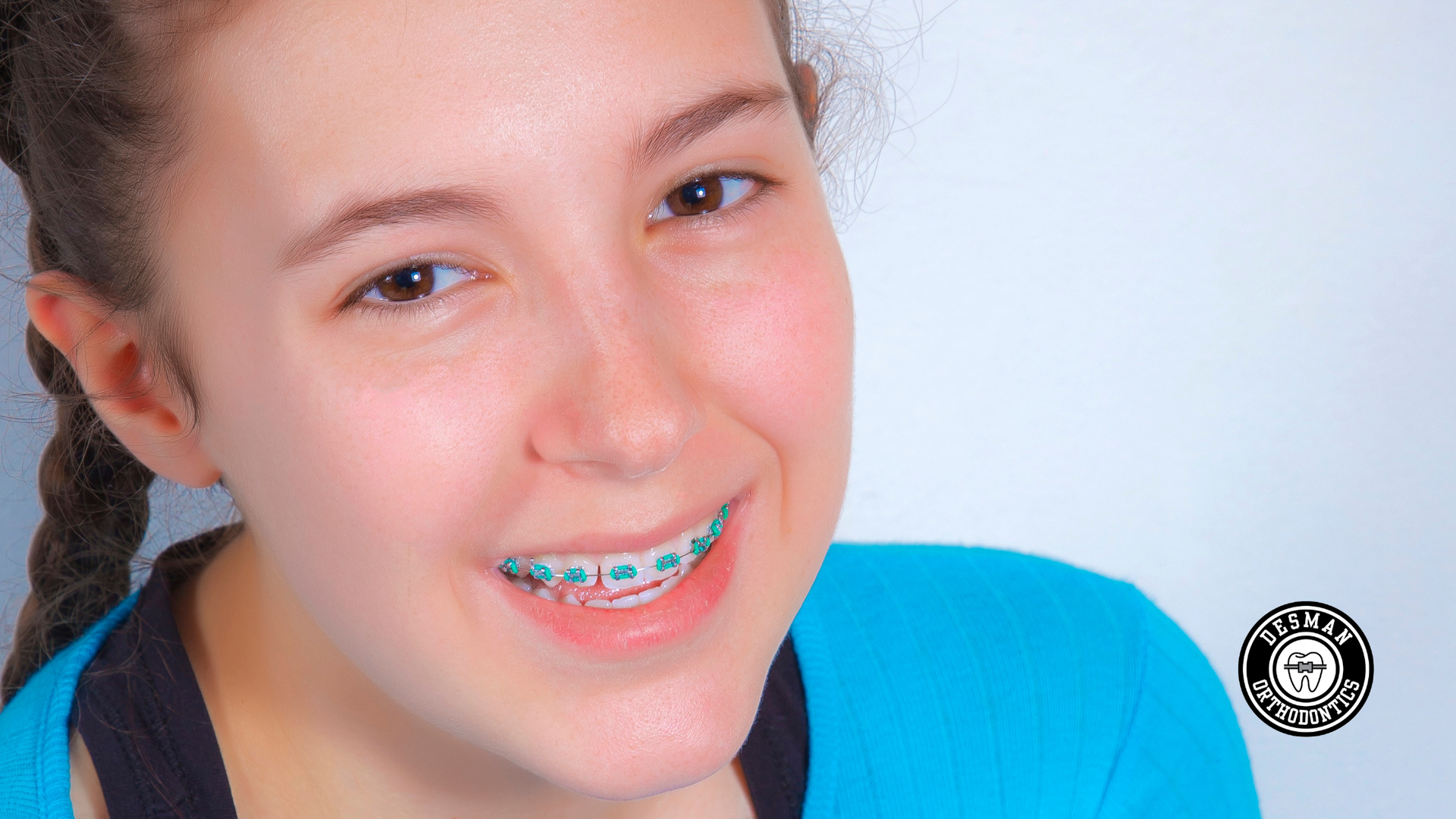
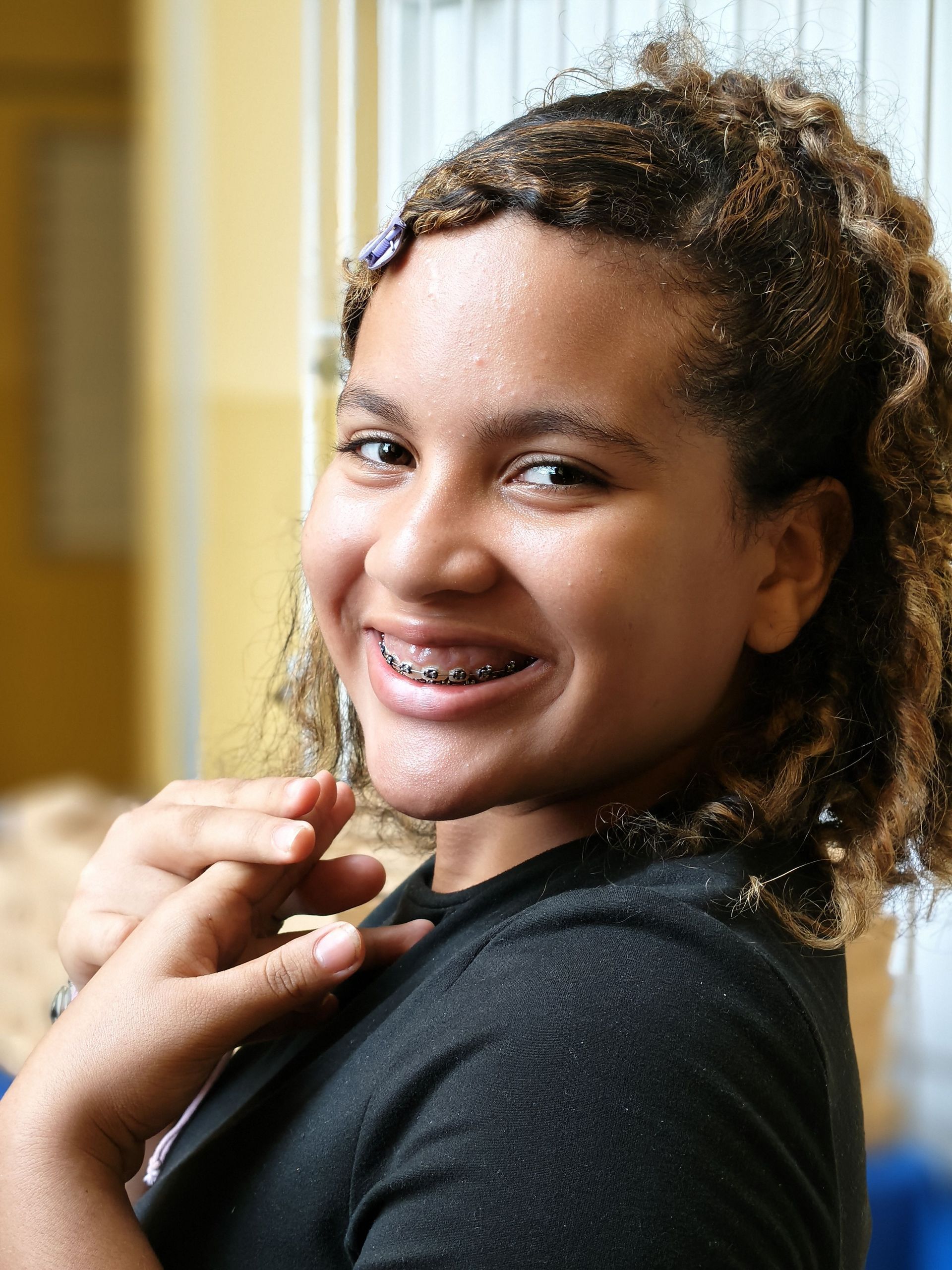
The teenage years can also be a practical time to address alignment concerns because many permanent teeth have already erupted. However, there is no single age at which every teenager should begin treatment. An orthodontist evaluates the development of the teeth and jaws, the bite, available space, and the patient's individual needs before recommending treatment.
An evaluation can also help parents understand what options are available for their teen. Some patients may need comprehensive treatment, while others may benefit from a more targeted approach. By identifying concerns early and discussing the available options, families can make informed decisions about their teen's care.
What Happens During a Teen's First Consultation?
The first consultation gives the orthodontist an opportunity to evaluate the teenager's teeth, bite, and overall treatment needs. Depending on the circumstances, the evaluation may include photographs, digital scans, X-rays, and other diagnostic information. These details help the orthodontist understand how the teeth are positioned and how they may need to move during treatment.
The consultation is also a chance for teens and parents to ask questions. The orthodontic team can explain whether treatment is recommended, which options may be appropriate, and what the anticipated process may involve. Having this information early can make the treatment decision easier for both teenagers and their families.
At Desman Orthodontics, treatment planning is individualized rather than based on a one-size-fits-all approach. The goal is to understand the patient's specific concerns and develop a treatment strategy around those needs. Families can also discuss their goals and learn more about what to expect before treatment begins.
What Treatment Options Are Available for Teens?
There are several treatment options that may be appropriate for teenagers. Traditional metal braces remain a reliable option for addressing a wide range of alignment and bite concerns. Clear braces use tooth-colored ceramic brackets and can provide a less noticeable alternative while still using brackets and wires to gradually move the teeth.


Clear aligners are another option for some teens who want a more discreet and removable approach. Aligners use a series of customized trays to gradually move the teeth and can be removed for eating and oral hygiene. Whether braces or clear aligners are appropriate depends on the complexity of the patient's case, the movements required, and the patient's ability to follow the recommended treatment routine.
The most appropriate option is therefore not determined simply by appearance. Your orthodontist considers the patient's bite, tooth positions, available space, treatment goals, and other factors before recommending an approach. A consultation can help your family understand the differences between the available options and determine which may be suitable for your teen.
How Long Does Orthodontic Treatment Take?
Treatment time varies from patient to patient. The length of treatment depends on factors such as the type and complexity of the alignment or bite problem, how the teeth respond to treatment, and how consistently the patient follows the orthodontist's instructions. For many teenagers receiving braces, treatment may take approximately 18 to 24 months, although individual treatment times can be shorter or longer.
Following the treatment plan can help keep care progressing as planned. Teens who maintain good oral hygiene, protect their braces, attend scheduled appointments, and follow instructions give their treatment the best opportunity to stay on track. For teens using clear aligners, wearing the trays according to the prescribed schedule is particularly important.
It is also important to understand that treatment is not simply about reaching a predetermined number of months. The orthodontist monitors tooth movement throughout the process and determines when the desired alignment and bite have been achieved. The final timing is therefore based on the patient's progress rather than the calendar alone.
What Should Teens Expect When They Get Braces?
Getting braces is usually a straightforward process. During the appointment, brackets are placed on the teeth and connected with an archwire that applies controlled forces to gradually guide the teeth. The orthodontic team will also explain how to care for the braces and which habits can help protect the appliances.

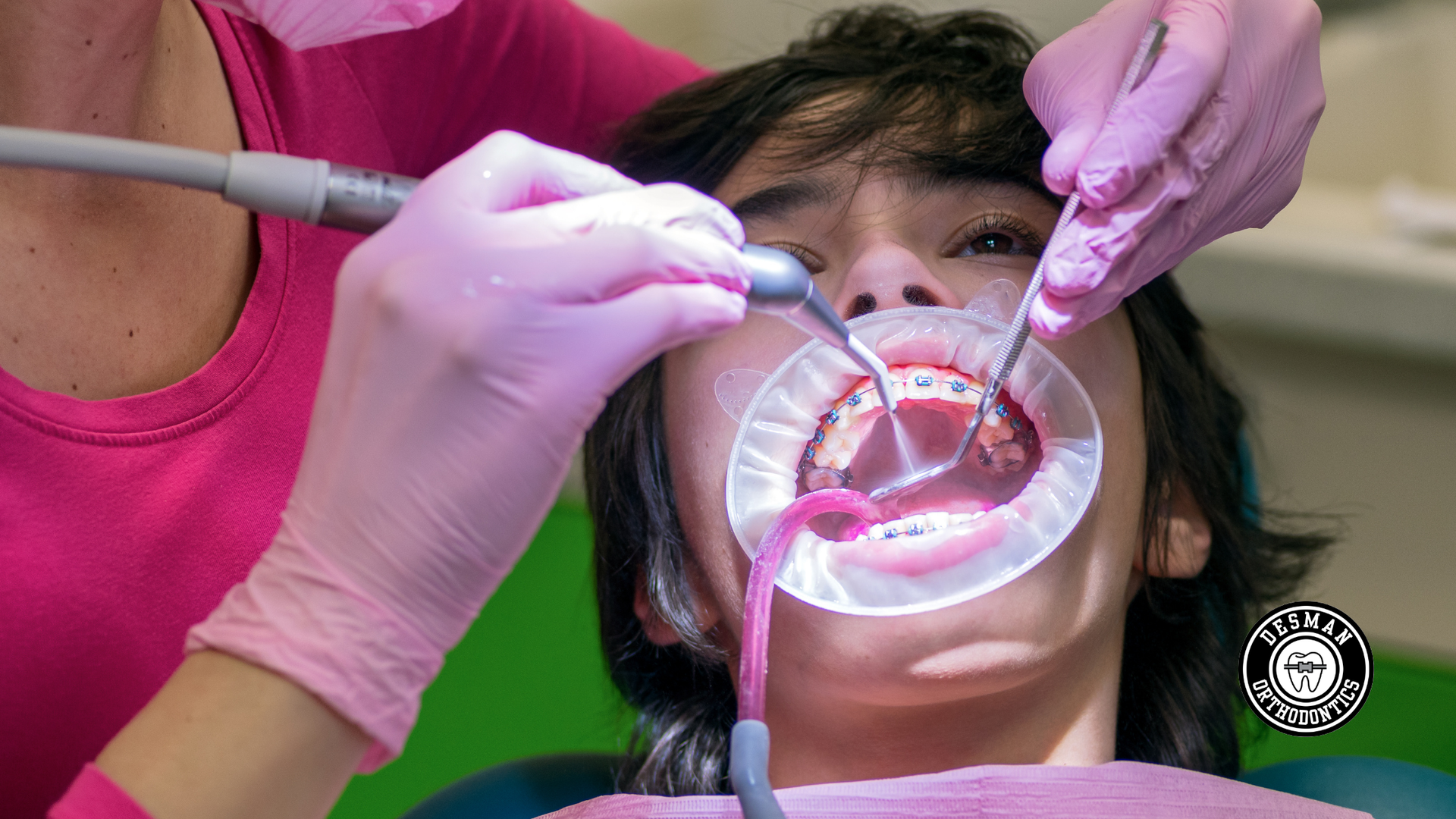
It is normal for teeth to feel different when braces are first placed or adjusted. Some teenagers may experience temporary tenderness or pressure as their teeth begin responding to treatment. This sensation generally becomes easier to manage as the patient becomes accustomed to the braces.
Teens should also expect regular appointments throughout treatment. These visits allow the orthodontist to monitor progress and make adjustments as needed. Keeping these appointments is an important part of maintaining the planned course of treatment.
How Can Teens Keep Their Teeth Healthy During Treatment?
Good oral hygiene becomes especially important when a teenager has braces. Brackets and wires can create additional areas where food particles and plaque can collect, making thorough brushing and flossing an important part of daily care. Cleaning around the brackets, along the gumline, and between the teeth can help maintain healthy teeth and gums throughout treatment.
Teens with braces should also be mindful of foods that can damage orthodontic appliances. Hard, sticky, or chewy foods can potentially damage brackets or wires, which may interrupt treatment and require an additional visit. Cutting appropriate foods into smaller pieces and following the orthodontist's dietary instructions can help protect the appliances.
For teens using clear aligners, daily cleaning and consistent wear are equally important. Aligners should be removed when eating and cleaned as instructed before being placed back over clean teeth. Following the recommended wear schedule helps ensure that the aligners can perform their intended movements.
How Can Teenagers Stay on Track With Treatment?
Successful treatment requires cooperation between the patient, parents, and orthodontic team. For teenagers with braces, that means following food and hygiene instructions and reporting damaged appliances when necessary. For teens wearing clear aligners, it also means wearing the trays according to the prescribed schedule and keeping track of their aligners.
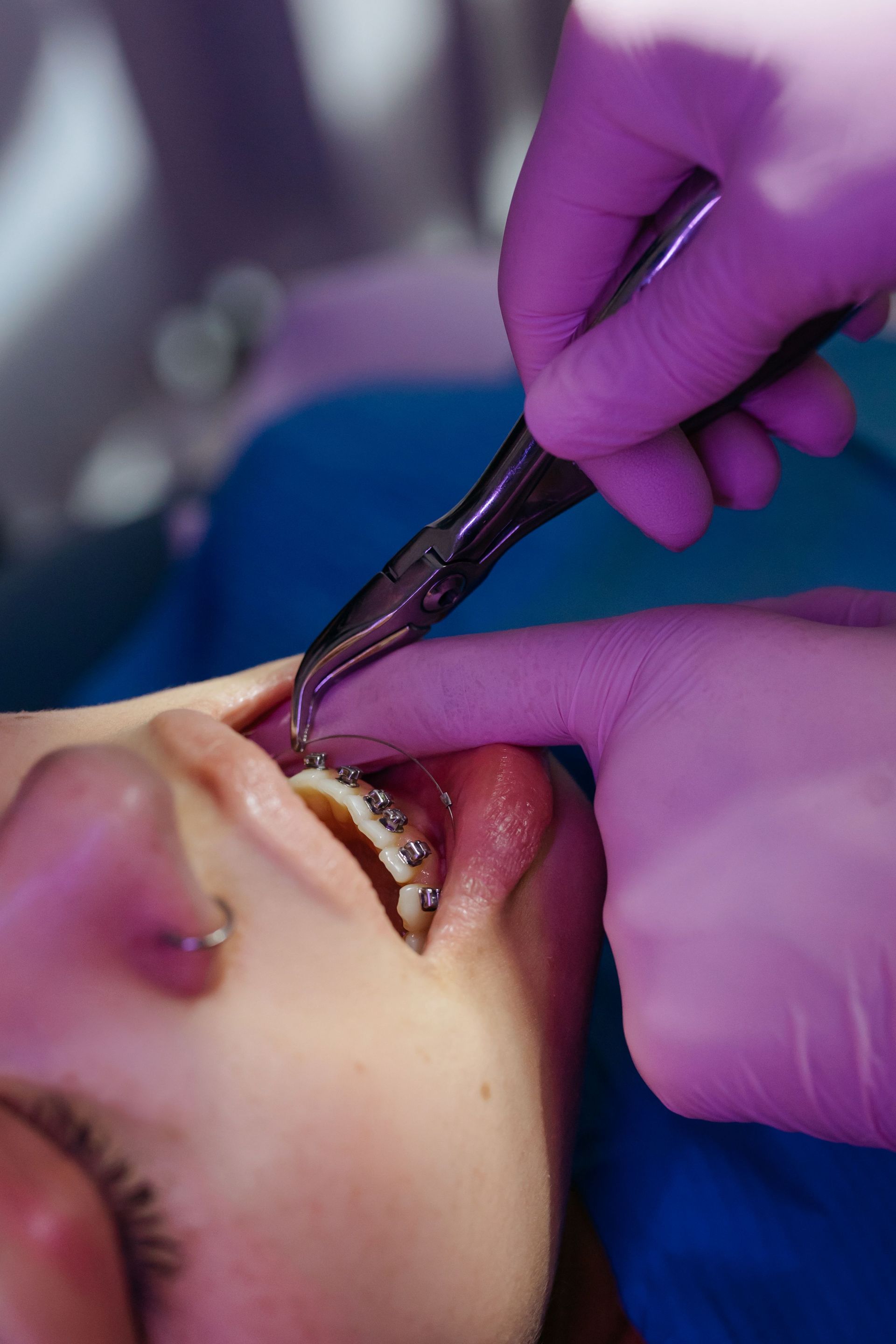

Missed appointments can also interfere with treatment progress. Regular visits allow the orthodontist to monitor tooth movement and make necessary adjustments or provide new instructions. Families can make appointments easier to manage by keeping them on the calendar and planning around school, sports, and other activities.
Teenagers should also feel comfortable asking questions when something does not seem right. Whether they are experiencing discomfort, have damaged a bracket, or are unsure how to care for their appliance, communicating with the orthodontic team can help address the issue appropriately.
Can Teens Play Sports While Wearing Braces?
In many cases, teenagers can continue participating in sports during treatment. However, protecting the teeth and orthodontic appliances is particularly important during activities where there is a risk of contact or impact. An orthodontic mouthguard may be recommended to provide additional protection during sports.
Teens should follow the specific recommendations provided by their orthodontist. A properly selected mouthguard can help protect the mouth while allowing the patient to continue participating in activities they enjoy. If a bracket or wire becomes damaged during sports, the orthodontic team should be contacted for guidance.
Sports do not necessarily have to prevent a teenager from receiving treatment. With appropriate precautions and good communication with the orthodontic team, many teens can continue their normal activities while working toward their treatment goals.
What Happens After Braces or Clear Aligners?
Finishing active treatment is an important milestone, but it does not mean the orthodontic journey is completely over. Teeth can naturally shift after treatment, which is why retainers are an important part of maintaining the new alignment. The orthodontist will provide instructions about retainer use based on the patient's individual needs.

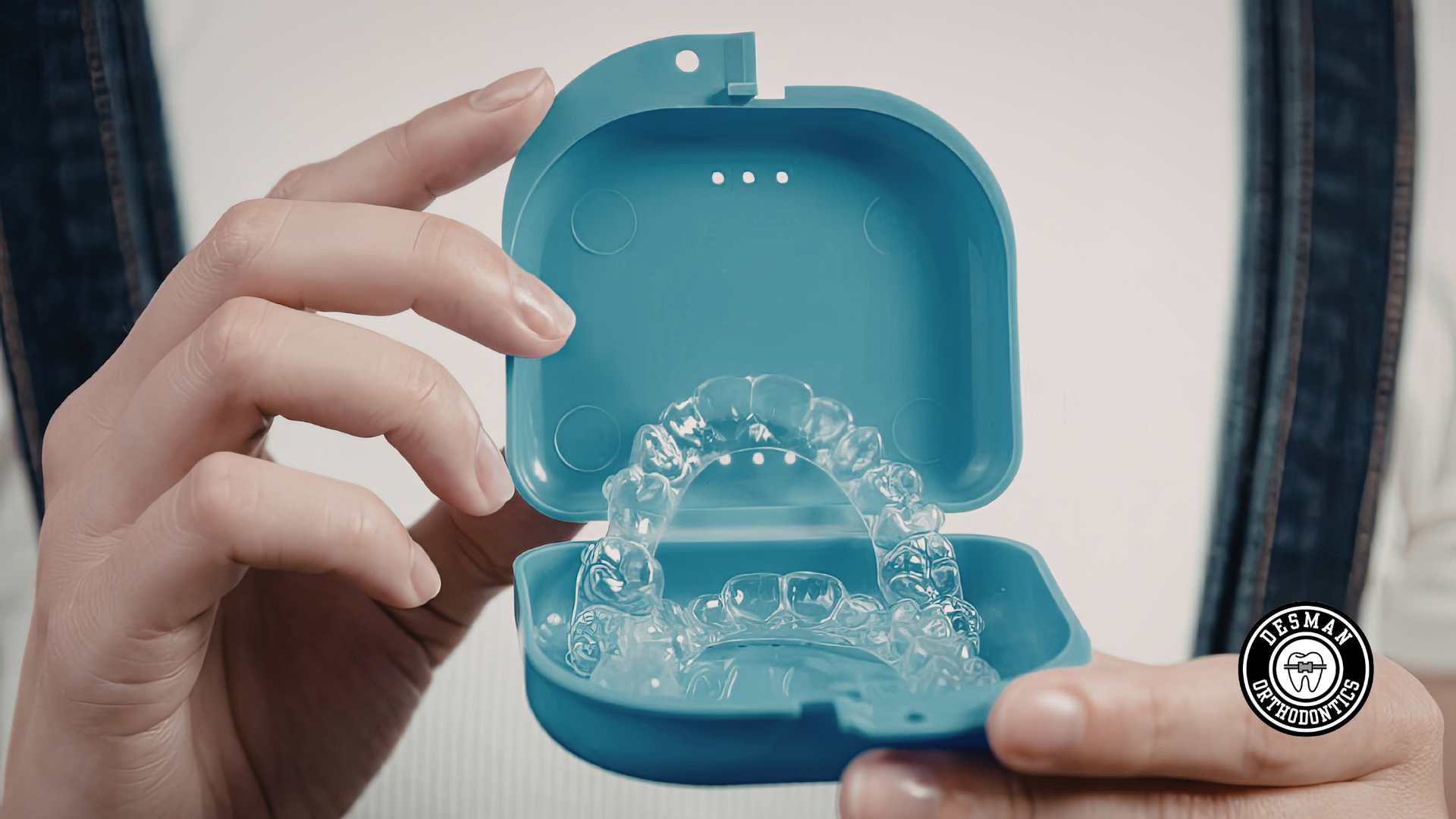
Retainers should be cared for properly and worn according to the recommended schedule. Teens should keep their retainers in their designated case when they are not being worn and clean them as instructed. Replacing or repairing a retainer may be necessary if it becomes damaged or no longer fits properly.
Maintaining retainer wear can help protect the time and effort invested in treatment. Continued follow-up with the orthodontic team can also help monitor the stability of the result and address concerns if teeth begin to shift.
How Can Parents Support a Teen During Treatment?
Parents can play an important role in helping teenagers stay consistent with their care. Reminding teens about appointments, encouraging good oral hygiene, and helping them follow dietary or aligner instructions can make treatment easier to manage. Support can be particularly helpful during the adjustment period when orthodontic care becomes part of a teenager's daily routine.
Teenagers should also have an active role in their treatment. Understanding why they need to wear their aligners, protect their braces, or maintain their retainer can make it easier for them to take responsibility for their care. Encouraging questions and open communication can help teens feel more involved in the process.
Treatment is ultimately a shared effort between the patient, family, and orthodontic team. When everyone works together, it becomes easier to address challenges, maintain healthy habits, and keep treatment progressing as planned.


Frequently Asked Questions About Teen Braces and Treatment
What age is best for braces?
There is no single ideal age that applies to every teenager. The appropriate timing depends on the development of the permanent teeth, jaw growth, bite, tooth position, and the specific concerns being addressed. An orthodontic evaluation can help determine whether treatment is appropriate and which approach may be recommended.
How long do teenagers usually wear braces?
Many teenagers with braces receive treatment for approximately 18 to 24 months, but treatment time varies depending on the complexity of the case and how the patient responds to treatment. Following orthodontic instructions and attending scheduled appointments can help treatment progress as planned.
Are clear aligners an option for teenagers?
Clear aligners may be an option for some teenagers. They are removable and discreet, but successful treatment requires consistent wear and proper care. An orthodontist can determine whether clear aligners are appropriate based on the patient's orthodontic needs and ability to follow the treatment plan.
Are braces painful for teenagers?
Teens may experience temporary pressure or tenderness when braces are first placed or adjusted. This sensation is generally part of the adjustment process as the teeth begin responding to orthodontic forces. The orthodontic team can provide guidance on managing expected discomfort.
Can teenagers eat normally with braces?
Teenagers can continue eating many of their usual foods, but certain hard, sticky, or chewy foods may need to be avoided or modified while wearing braces. Following the orthodontist's dietary recommendations can help reduce the risk of damaging brackets or wires.
Do teenagers need retainers after treatment?
Yes, retainers are an important part of maintaining the alignment achieved during treatment. Teeth can shift over time, so wearing a retainer according to the orthodontist's instructions helps maintain the results.
Helping Your Teen Build a Healthier, More Confident Smile
Treatment can be an important part of a teenager's dental development, addressing concerns such as crowding, spacing, crooked teeth, and bite problems. From the initial consultation through braces or clear aligners and eventually retainer care, each stage plays a role in achieving and maintaining a healthy, functional smile.
At Desman Orthodontics in Port St. Lucie, we provide personalized care for teens and offer treatment options including metal braces, clear braces, and clear aligners. Our approach is centered on understanding each patient's individual needs and helping families understand their treatment options. If your teen may benefit from treatment, schedule a consultation with Desman Orthodontics to learn more about the available options.
Starting treatment is a significant step for a teenager, but understanding the process can make the experience easier for the entire family. With appropriate treatment planning, consistent home care, and regular visits, teens can actively participate in caring for their smile throughout the journey. Contact us and start your teens' orthodontic journey with our practice located in Port St. Lucie, FL.
Share
Related Posts