Tooth Extraction Aftercare: Foods, Healing Tips, and What to Avoid
A tooth extraction leaves a healing socket that needs time and proper care. Following your dental provider’s aftercare instructions can help protect the area, manage discomfort, and reduce the risk of complications during recovery.
Whether the extraction was needed because of a damaged tooth, dental crowding, or as part of an orthodontic treatment plan, your dental provider will give you instructions based on your specific procedure and needs.
What Happens After a Tooth Extraction?
A blood clot typically forms in the socket after the tooth is removed. It helps protect the underlying tissues and provides a foundation for early healing. The area may feel tender, and mild swelling or some bleeding can occur during the initial recovery period.


During this stage, avoid habits or activities that could unnecessarily disturb the healing site. Your provider may give you specific instructions about eating, brushing, rinsing, physical activity, and medication. Because aftercare can vary depending on how the tooth was removed, follow the instructions provided after your procedure.
Recovery does not happen at exactly the same pace for everyone. The location of the tooth, complexity of the procedure, and your individual healing response can all affect how you feel over the following days. If your symptoms become significantly worse or you are unsure whether something is normal, contact the dental professional who performed the extraction for guidance.
What Should You Eat After a Tooth Extraction?
Eating may be uncomfortable while your mouth is tender, so soft foods are often easier to manage during the early stages of recovery. Foods that require little chewing can reduce pressure on the area and make meals more comfortable.
Depending on your provider’s instructions, options may include yogurt, applesauce, mashed potatoes, scrambled eggs, oatmeal, cottage cheese, soft pasta, cooked vegetables, or soft fish.
You do not necessarily need to follow a limited diet throughout your entire recovery. As tenderness decreases and your provider allows it, you can gradually introduce foods with more texture. Choose foods that feel comfortable and avoid anything that causes pain or irritation around the healing site.
Foods That May Be Easier to Eat
- Yogurt
- Applesauce
- Mashed potatoes
- Scrambled eggs
- Oatmeal
- Cottage cheese
- Soft pasta
- Mashed or cooked vegetables
- Soft fish
- Other foods that are easy to chew
If you are unsure when to return to your usual diet, ask your dental provider for guidance based on your recovery.
What Foods Should You Avoid After a Tooth Extraction?
Some foods can irritate the extraction site or be difficult to eat while the area is healing. During the early recovery period, avoid foods that are particularly hard, crunchy, sticky, chewy, or likely to leave small particles around the site.


Examples include:
- Chips and other hard, crunchy snacks
- Nuts
- Popcorn
- Hard candies
- Sticky foods such as caramels
- Tough or chewy meats
- Very hot foods and drinks
- Foods with small, hard particles that can become lodged near the extraction site
Choosing soft, easy-to-chew foods can make eating more comfortable while the area is tender.
There is no universal list of foods that every patient must avoid for exactly the same amount of time. Your provider may recommend additional restrictions depending on the procedure and your recovery. As the area becomes more comfortable, gradually return to your usual diet according to your provider’s instructions.
How Can You Protect the Extraction Site?
Protecting the extraction site is particularly important during early healing. The blood clot that forms in the socket helps protect the underlying tissues, so avoid actions that could disturb it.
Avoid Touching or Poking the Area
Do not repeatedly check the extraction site with your fingers or tongue. Unnecessary contact can irritate the area or disturb the developing blood clot.
Be Careful With Straws
Your provider may recommend avoiding straws during the early healing period because suction can potentially disturb the blood clot. Follow the specific instructions you received after your procedure.
Avoid Smoking and Tobacco
Smoking and tobacco use can interfere with healing and may increase the risk of complications. Follow your provider’s instructions about when these activities can safely be resumed.
Chew on the Opposite Side
When you begin eating more solid foods, chewing away from the extraction site can make meals more comfortable and reduce irritation.
How Should You Brush Your Teeth After an Extraction?
Keeping your mouth clean remains important after a tooth is removed, but the extraction site needs a gentler approach while it heals. Continue brushing the teeth away from the area according to the instructions provided by your dental professional.

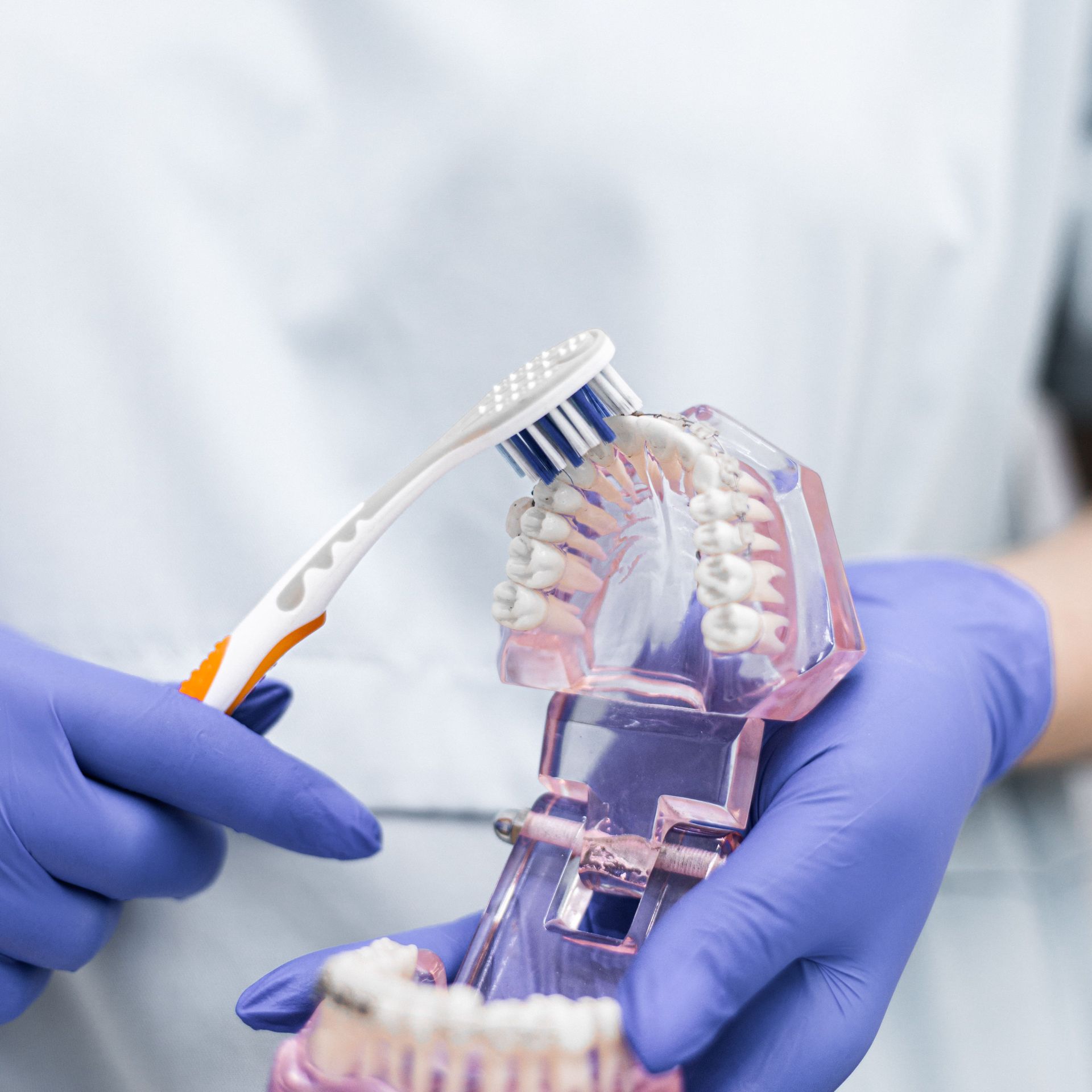
When cleaning near the extraction site, use care and avoid aggressive brushing directly over the socket. Your provider may give you specific instructions about when and how to clean closer to the area.
Rinsing also requires care. If a saltwater rinse is recommended, begin when your dental professional tells you it is appropriate. Rinse gently rather than vigorously swishing or forcefully spitting.
Good oral hygiene remains part of your recovery, but follow any special cleaning instructions provided after your extraction.
Can You Exercise After a Tooth Extraction?
Strenuous exercise, heavy lifting, and vigorous physical activity may need to be limited during the initial recovery period. Physical exertion can increase blood pressure and may contribute to bleeding from the extraction site.
Your dental provider can tell you when it is appropriate to return to your usual exercise routine, particularly if the extraction was surgical or more complex.
When you are cleared to resume activity, return gradually rather than immediately returning to your full routine. If exercise is followed by new bleeding, increased pain, or another concerning change, stop the activity and contact your provider.
How Can You Manage Discomfort and Swelling?
Some soreness and swelling can occur after a tooth extraction, particularly during the early part of recovery. Your dental provider may recommend specific measures based on your procedure and individual needs.
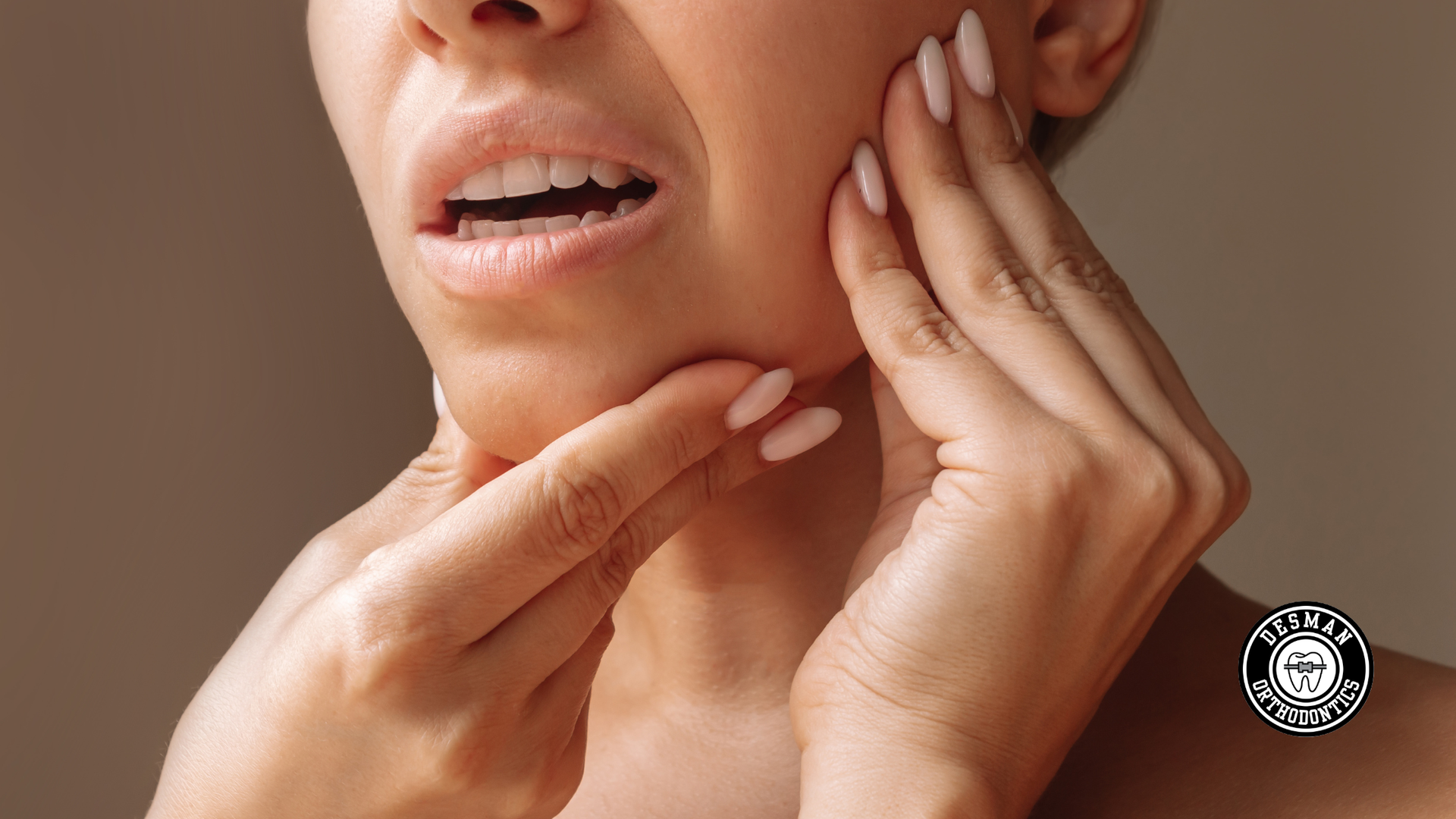

A cold compress placed against the outside of the cheek may help with swelling during the early recovery period when used according to your provider’s instructions.
For discomfort, use only medications that have been prescribed or recommended for you, and follow the dosage and timing instructions carefully. If you take other medications or have health conditions that could affect what you can safely use, ask your healthcare or dental provider before taking something new.
Pay attention to how your symptoms change over time. If pain becomes severe, suddenly increases, or occurs alongside other concerning symptoms, contact the dental professional who performed the extraction.
Common Mistakes to Avoid After an Extraction
During early healing, avoid habits and activities that can unnecessarily irritate the extraction site.
Touching or Poking the Site
Repeatedly checking the area with your tongue or fingers can irritate the site or disturb the blood clot.
Exercising Too Soon
Returning to strenuous activity or heavy lifting before you have been cleared may contribute to bleeding or discomfort.
Neglecting Oral Hygiene
Continue maintaining good oral hygiene while following any special instructions for cleaning around the extraction site.
Choosing Difficult Foods
Hard, crunchy, sticky, or tough foods can make eating uncomfortable and may irritate the healing area.
Smoking or Using Tobacco
Tobacco use can interfere with healing and may increase the risk of complications.
Ignoring Changes in Your Symptoms
Some soreness and swelling can be expected, but symptoms that become significantly worse rather than gradually improving should be discussed with your dental provider.
When Should You Contact Your Dental Provider?
Some soreness, swelling, and sensitivity can occur after a tooth is removed. However, symptoms that are severe, worsening, or unexpected deserve professional attention.


Contact the dental professional who performed the extraction if you develop:
- Severe or increasingly painful symptoms
- Persistent or heavy bleeding
- Swelling that continues to increase
- Fever
- Pus or unusual drainage
- A persistent unpleasant taste or odor accompanied by worsening symptoms
You should also contact your provider if your recovery does not seem to be progressing as expected or if something concerns you.
When contacting your provider, explain when the extraction took place, what symptoms you are experiencing, and whether they are improving or getting worse. This information can help the dental professional determine what guidance or follow-up may be appropriate.
Difficulty breathing or swallowing requires urgent medical attention.
If an oral surgeon or general dentist performed the extraction, contact that provider first for concerns specifically involving the extraction site. Your orthodontic team can help with questions about how the extraction relates to your broader orthodontic treatment.
How Long Does It Take to Recover From a Tooth Extraction?
There is no single recovery timeline that applies to every extraction. How quickly you feel comfortable again can depend on the tooth that was removed, the complexity of the procedure, your general health, and your individual healing response.
Many people experience the most noticeable soreness and swelling during the first few days, followed by gradual improvement. However, the extraction site continues to heal after you begin feeling better, and deeper tissues may take longer to recover.
As tenderness and swelling settle, you can gradually resume everyday activities and introduce more foods according to your provider’s instructions. Feeling better does not necessarily mean that the underlying tissues have completely healed.
Avoid comparing your recovery with someone else’s experience. Two people can have different healing patterns even after similar procedures. Pay attention to the overall direction of your symptoms and contact your dental provider if discomfort becomes significantly worse, swelling increases, bleeding persists, or new symptoms develop.

Frequently Asked Questions About Tooth Extraction Aftercare
Patients often have practical questions about eating, brushing, activity, and what to expect during recovery. General information can provide a starting point, but your own provider’s instructions should remain the primary source of guidance.
What can I eat after a tooth extraction?
Soft foods such as yogurt, scrambled eggs, mashed potatoes, applesauce, oatmeal, and soft pasta may be easier to eat during early recovery. Follow your provider’s advice about when to resume foods with more texture.
Can I brush my teeth after a tooth extraction?
Continue practicing good oral hygiene while taking care around the healing site. Follow the brushing and rinsing instructions provided after your procedure.
Can I use a straw after a tooth extraction?
Your provider may recommend avoiding straws during early healing because suction can potentially disturb the blood clot. Follow the instructions you received after the procedure.
Can I exercise after a tooth extraction?
Strenuous activity may need to be limited temporarily. Ask your provider when you can safely return to your usual exercise routine.
How do I know if the extraction site is healing normally?
Some soreness and swelling can occur during recovery. Severe or worsening pain, persistent bleeding, increasing swelling, fever, or unusual drainage should be discussed with your provider.
When should I contact my dentist after an extraction?
Contact your dental provider when symptoms are severe, worsening, unexpected, or not improving as anticipated. Seek urgent medical attention for difficulty breathing or swallowing.
Supporting Your Recovery
A comfortable recovery starts with giving the extraction site time and appropriate care. Choosing foods that are easy to eat, maintaining gentle oral hygiene, protecting the healing area, and following your provider’s instructions can help you manage the early stages of recovery.
You do not need to create a complicated routine. Consistent aftercare and attention to changes in your symptoms are more important. If you have questions about what you should or should not do, the dental professional who performed the extraction can provide guidance based on your procedure and recovery.
If the extraction was connected to
orthodontic treatment, your orthodontist can explain how recovery fits into the next stage of your care. Desman Orthodontics provides personalized treatment for children, teens, and adults, including
metal braces,
clear braces, and
clear aligners.
If you have questions about your orthodontic options,
contact Desman Orthodontics to schedule a consultation.
Share
Related Posts