
Am I Too Old for Braces or Clear Aligners? Orthodontic Treatment for Adults
If you've been thinking about straightening your teeth but wondering whether you've waited too long, you're not alone. Many adults consider orthodontic treatment after years of living with crowded teeth, gaps, bite problems, or teeth that have shifted since previous treatment.
Fortunately, being an adult does not automatically rule out orthodontic treatment. Braces and clear aligners can both be options for adults, depending on the condition of your teeth, gums, bite, and supporting bone.
The right treatment depends less on your age and more on your individual needs. An evaluation with an orthodontist can help determine whether treatment is appropriate and which approach may fit your goals.
Can Adults Get Braces or Clear Aligners?
Yes. Many adults receive orthodontic treatment to improve tooth alignment, address bite concerns, or create a healthier and more functional smile.

Teeth can be moved during adulthood when the teeth and supporting structures are healthy and treatment is properly planned. Adults may choose traditional braces, clear aligners, or another approach depending on the movements required.
Some patients have never had orthodontic treatment before. Others had braces or aligners as teenagers and are considering treatment again because their teeth have shifted over time.
Rather than assuming that age makes treatment impossible, an orthodontic consultation can determine what options are available for your particular situation.
Is There an Age Limit for Braces?
There is no single age at which orthodontic treatment automatically becomes unavailable. However, an adult evaluation may involve considerations that are less common in younger patients.
Your orthodontist will look at the condition of your teeth and gums, how your bite functions, and the health of the structures supporting your teeth. Your dental history can also be important, particularly if you have crowns, fillings, bridges, implants, missing teeth, or previous orthodontic treatment.
These factors do not necessarily mean you cannot be treated. They simply help your orthodontist determine how treatment should be planned.
For this reason, the question isn't necessarily whether you're "too old" for braces. It's whether your current oral health and treatment needs can be addressed safely and effectively.
Why Are More Adults Considering Orthodontic Treatment?
Adults seek treatment for many different reasons. Some have wanted to straighten their teeth for years, while others notice changes in their smile or bite that have developed gradually.


Common concerns include:
- Crowding: Teeth overlap or do not have enough room.
- Spacing: Gaps exist between two or more teeth.
- Bite problems: The upper and lower teeth do not meet as they should.
- Teeth that have shifted: Teeth may move after previous orthodontic treatment or over time.
- Smile appearance: A patient may want a more even or balanced smile.
- Difficulty cleaning certain areas: Tooth position can sometimes make brushing and flossing more difficult.
For some adults, treatment is primarily about appearance. For others, improving tooth position or the bite is an important part of their overall dental goals.
Braces or Clear Aligners: Which Options Are Available to Adults?
There is no single treatment method that is right for every adult. Your orthodontist will consider the movements needed and your individual circumstances before recommending an approach.
Braces for Adults
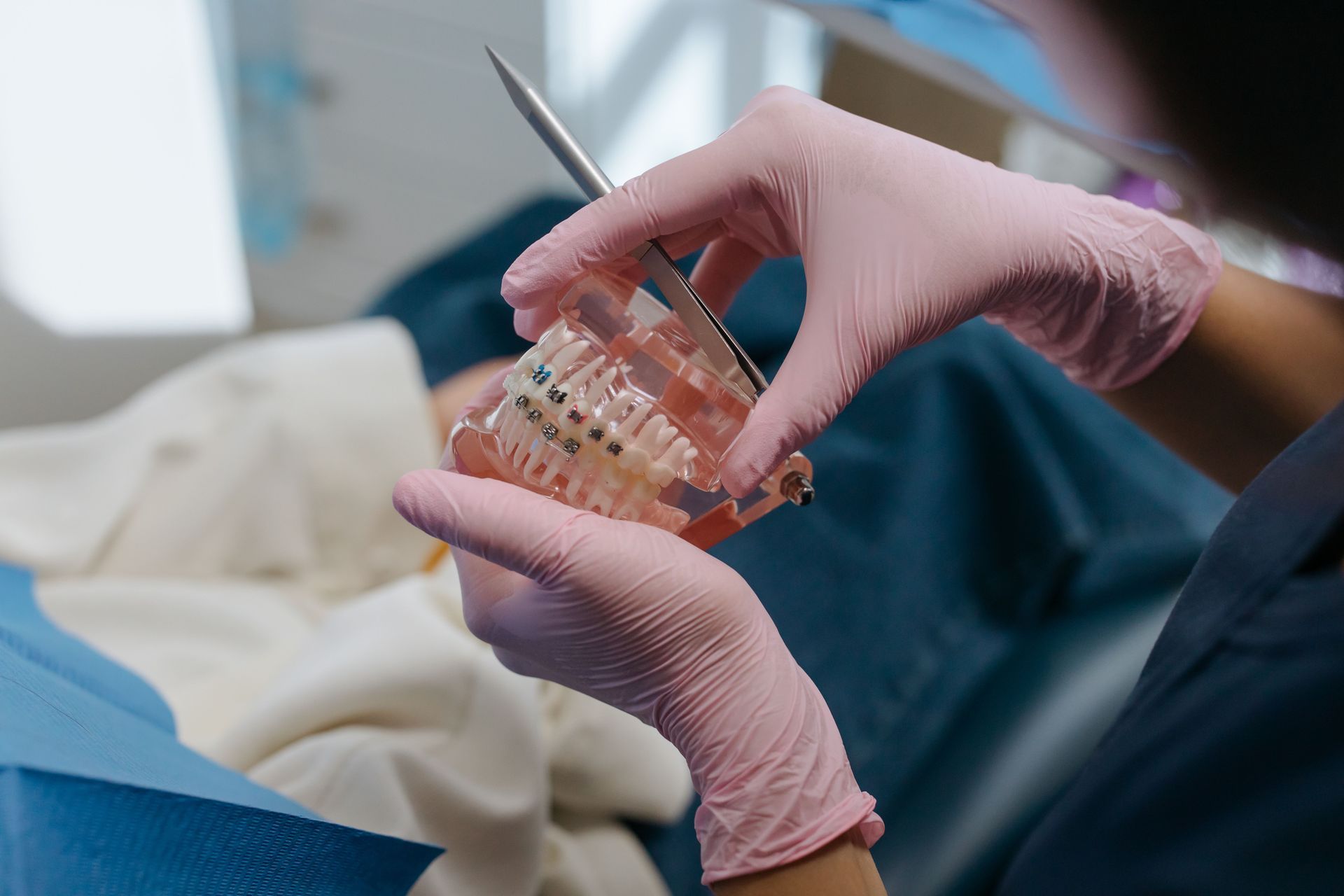
Braces use brackets and wires to apply controlled forces that gradually move the teeth. Because they remain attached during treatment, they do not depend on the patient remembering to put them back in after meals or cleaning.
Traditional braces can be used to address a wide range of alignment and bite concerns. They may be appropriate for adults who want a fixed treatment option or whose treatment requires movements that are better managed with braces.
You can learn more about braces at Desman Orthodontics and how they may be used to address different alignment concerns.
Clear Aligners for Adults
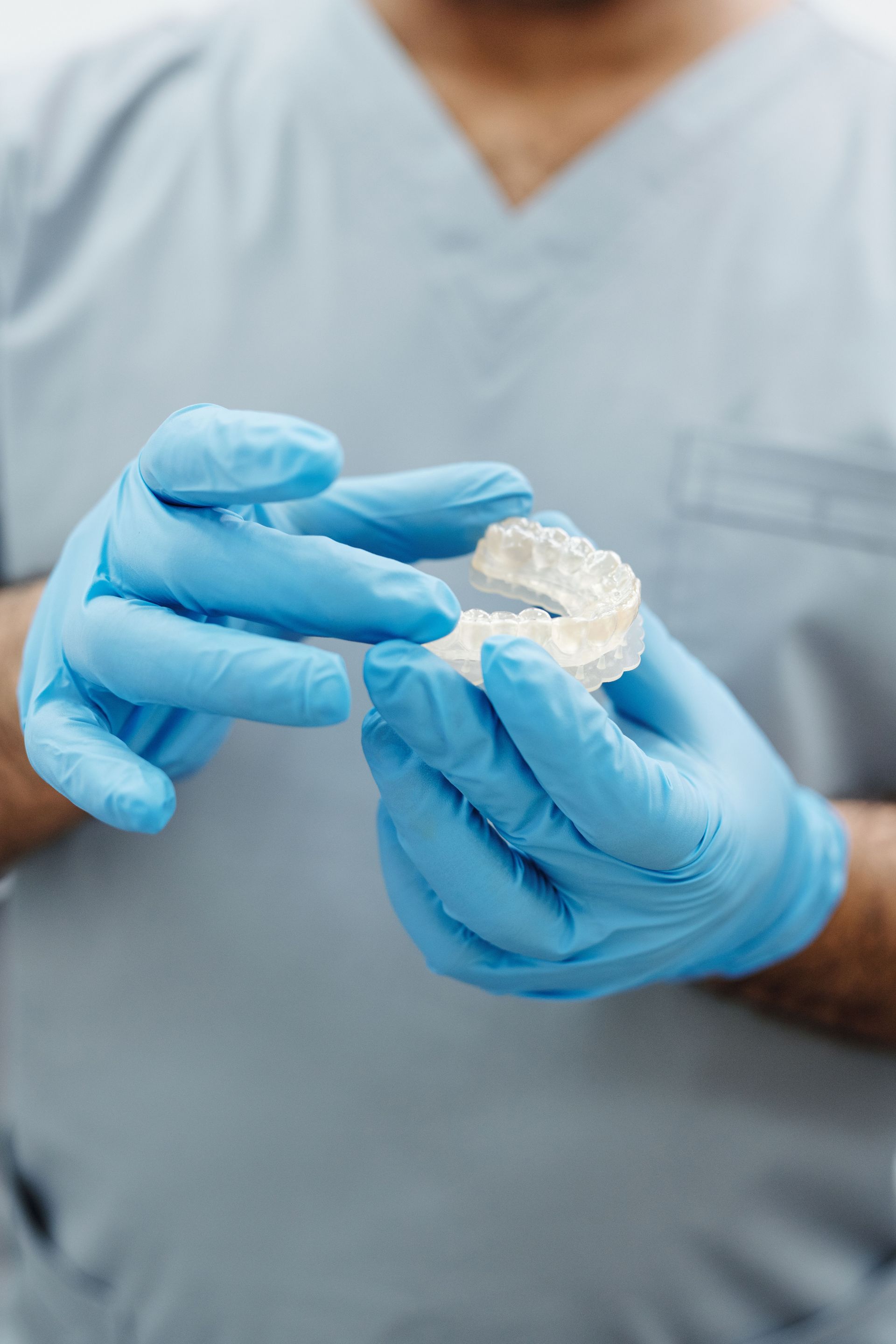
Clear aligners are removable trays that are designed to move teeth according to an individualized treatment plan. They can be removed for eating, drinking, brushing, and flossing.
Their discreet appearance makes them an option that some adults prefer, particularly those who want orthodontic treatment without traditional brackets and wires.
However, clear aligners are not appropriate for every case, and successful treatment requires wearing the aligners according to the prescribed schedule. An evaluation is the best way to determine whether they can address your particular needs.
Learn more about clear aligner treatment to see how this approach works.
What Can Affect Orthodontic Treatment for Adults?
Age is only one part of treatment planning. Your current dental health and history can also influence which options are appropriate.


Gum health: Healthy gums and supporting tissues are important when moving teeth. Existing gum problems may need to be addressed before or during treatment.
Crowns and fillings: Dental restorations do not automatically prevent orthodontic treatment, but they can affect how treatment is planned. Your orthodontist will consider existing dental work when determining how the teeth should be moved.
For a closer look at this topic, read Clear Aligners for Patients With Dental Crowns and Fillings.
Missing teeth: Gaps from missing teeth can change how an orthodontist approaches alignment and bite correction. The surrounding teeth and your overall treatment goals need to be considered.
Previous orthodontic treatment: If you've had braces before, your current alignment and bite will be evaluated rather than simply repeating your previous treatment plan.
Overall dental health: Cavities, damaged teeth, or other untreated dental concerns may need attention before orthodontic treatment begins.
Is Orthodontic Treatment Different for Adults?
Adult treatment is not necessarily more difficult, but every case has its own considerations. Treatment depends on the position of your teeth, the condition of your supporting tissues, your bite, and the movements needed to achieve your goals.
Adults are also more likely to have existing dental restorations or a history of previous dental treatment. These factors can influence treatment planning and may require coordination with your general dentist or other dental providers.
Treatment time also varies. A straightforward alignment concern may require a different approach and timeline than a more complex bite problem.
Rather than relying on a general treatment timeline based on age, your orthodontist can explain what is realistic for your particular case after an examination.
What Happens During an Adult Orthodontic Consultation?
A consultation is where your orthodontist can move beyond general information and determine what your specific treatment needs may be.


The evaluation may include:
- Examining the alignment of your teeth
- Evaluating your bite
- Assessing your gums and supporting structures
- Reviewing existing crowns, fillings, or other dental work
- Considering missing teeth or previous extractions
- Discussing previous orthodontic treatment
- Understanding what you want to change about your smile or bite
- Discussing potential treatment approaches and expected timelines
You don't have to know whether you want braces or clear aligners before your appointment. The consultation can help you understand which options may be suitable for your situation.
Frequently Asked Questions About Orthodontic Treatment for Adults
Am I too old to get braces?
There is no specific age at which braces automatically become unavailable. Your orthodontist will consider your teeth, gums, supporting structures, bite, dental history, and treatment goals when determining whether treatment is appropriate.
Can adults get clear aligners?
Yes. Clear aligners can be an option for many adults, although they are not appropriate for every orthodontic concern. An evaluation can determine whether aligners can address your particular needs.
Are braces effective for adults?
Braces can move adult teeth when treatment is appropriately planned and the teeth and supporting tissues are suitable for treatment. The expected results and timeline depend on the individual case.
Can I have orthodontic treatment if I have crowns or fillings?
Crowns and fillings do not automatically prevent orthodontic treatment. However, existing restorations need to be considered when planning tooth movement.
How long does treatment take for adults?
Treatment time varies according to the complexity of the case, the movements required, the treatment method, and how well the patient follows their orthodontist's instructions. Your orthodontist can provide a more individualized estimate after an evaluation.
Can I straighten my teeth without traditional braces?
Clear aligners may provide an alternative to traditional braces for some patients. Whether they are appropriate depends on your tooth alignment, bite, and treatment goals.
Considering Orthodontic Treatment as an Adult?
If you've spent years wondering whether you're too old to straighten your teeth, an orthodontic consultation can give you a much clearer answer.

Adults may have several treatment options, including braces and clear aligners. The appropriate approach depends on your teeth, bite, oral health, dental history, and what you want to accomplish.
At Desman Orthodontics in Port St. Lucie, we can evaluate your individual needs and discuss the treatment options that may be appropriate for you.
Contact Desman Orthodontics to schedule a consultation and explore your options.
Share
Related Posts