

How to Maintain Good Oral Hygiene with Braces
Braces can help create a healthier, more balanced smile, but keeping your teeth and gums clean throughout treatment is just as important. Metal braces and clear braces use brackets and wires that can create additional areas where plaque and food particles collect, making daily brushing and flossing more involved than usual.
A consistent oral hygiene routine can help reduce the risk of cavities, gum inflammation, bad breath, and enamel discoloration while you are wearing braces. With the right techniques and a little extra time, keeping your teeth clean during treatment can become a manageable part of your daily routine.
At Desman Orthodontics in Port St. Lucie, patients can receive guidance on caring for their teeth and braces throughout treatment. Here are practical ways to maintain good oral hygiene while working toward a healthier smile.
Why Is Oral Hygiene More Important With Braces?
Brackets and wires can make certain areas of the teeth harder to reach with a regular toothbrush. Food particles and plaque can collect around brackets, along the gumline, and between teeth, particularly when brushing is rushed or inconsistent.


Plaque contains bacteria that produce acids capable of damaging tooth enamel. When plaque remains around the brackets for long periods, it can increase the risk of cavities, gum inflammation, and white spot lesions, which are areas of enamel demineralization that may become visible after braces are removed.
Good oral hygiene is therefore an important part of protecting your smile during treatment. Keeping your teeth and gums clean can also make it easier to maintain a healthy appearance while your teeth are gradually moving into their planned positions.
How Should You Brush Your Teeth With Braces?
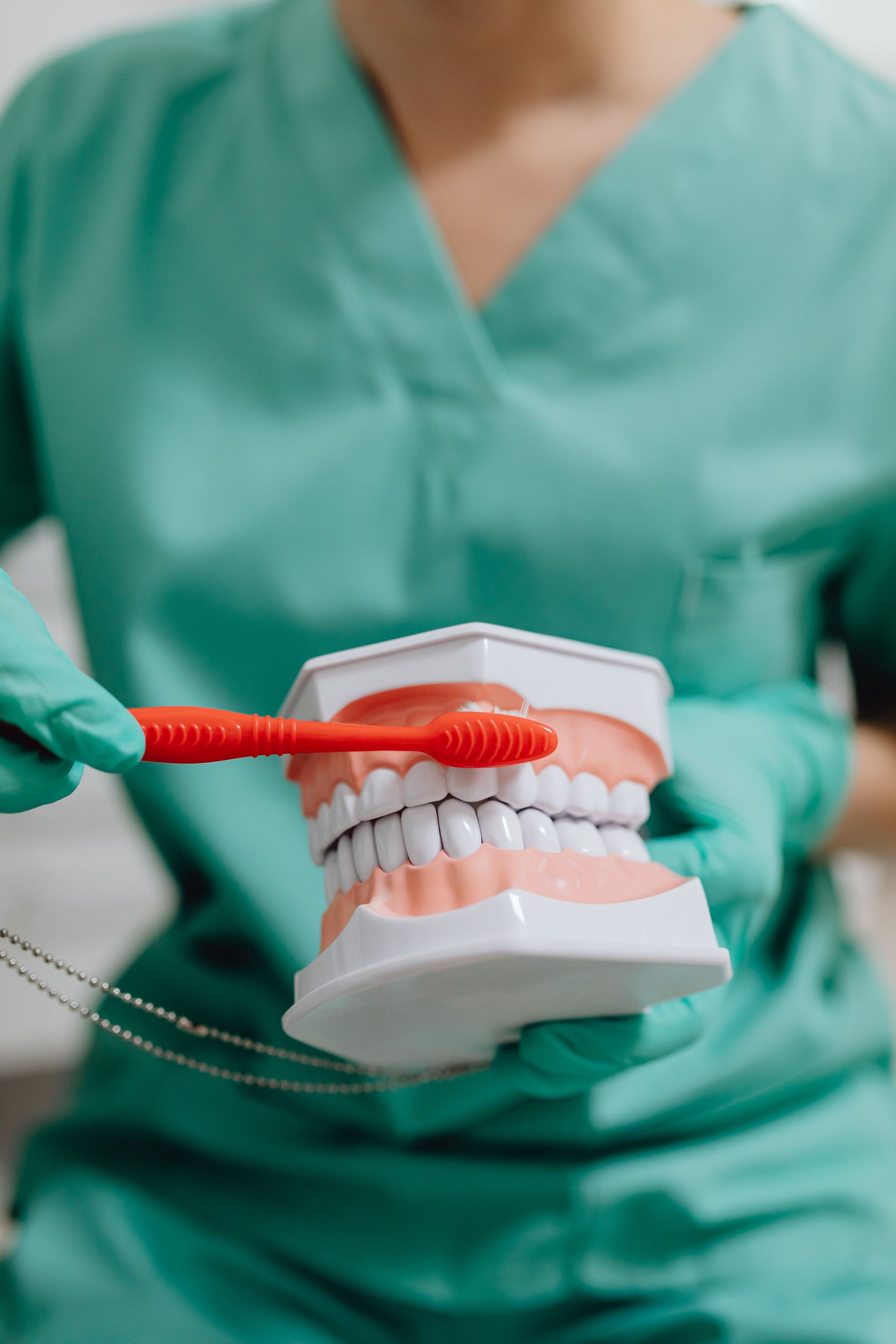
Brushing with braces requires attention to the areas around and between the brackets rather than simply brushing the visible surfaces of the teeth. A soft-bristled toothbrush can help clean effectively while being gentle on the gums and orthodontic appliances.
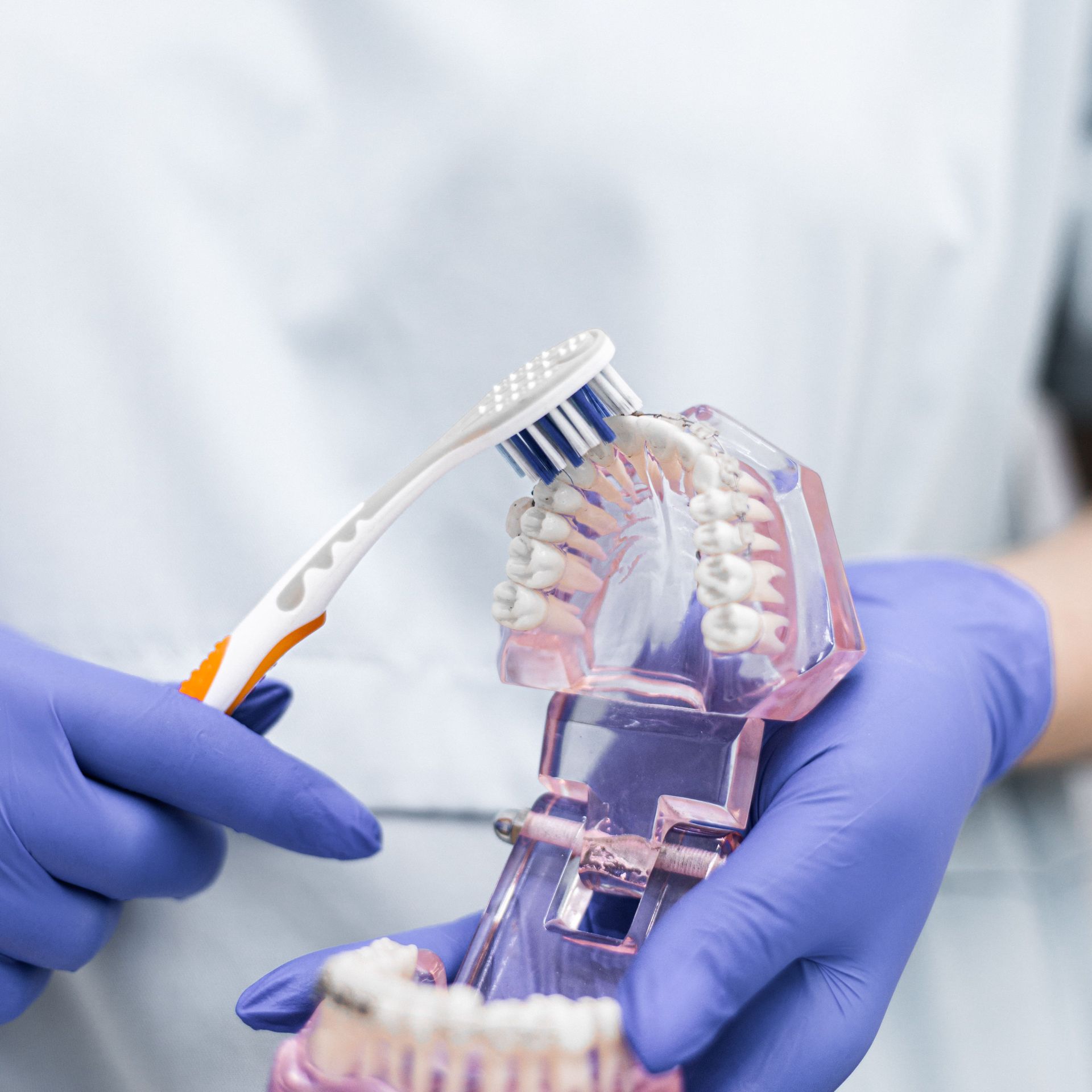
Hold the toothbrush at an angle toward the gumline and gently clean around the brackets. Then brush above and below the brackets, along the chewing surfaces of the teeth, and any other areas where plaque tends to collect. Avoid scrubbing aggressively, since excessive pressure can irritate the gums and does not necessarily provide a better clean.
If possible, brush after meals or whenever food becomes trapped around your braces. When brushing immediately after eating is not practical, rinsing your mouth with water can help remove loose food particles until you are able to brush.
An electric toothbrush may also be helpful for some patients, although the most important factor is using an effective technique consistently.
How Often Should You Brush With Braces?
Patients with braces should maintain a regular brushing routine throughout the day rather than relying on one thorough cleaning at night. Brushing after meals is helpful when practical because it reduces the amount of time food and plaque remain around the brackets.


At a minimum, make sure your teeth are thoroughly cleaned in the morning and before bed. Your nighttime routine is particularly important because plaque that remains on the teeth for hours while you sleep can contribute to oral health problems.
If you are away from home during the day, consider carrying a small braces care kit with a toothbrush, toothpaste, and other cleaning tools recommended by your dental or orthodontic team. Having the necessary supplies available can make it easier to maintain your routine at school, work, or while traveling.
How Can You Floss With Braces?
Brushing cannot completely clean the spaces between your teeth. Flossing is especially important during braces treatment because food and plaque can collect between teeth and along the gumline where a toothbrush cannot reach effectively.
Traditional floss can be used with a floss threader to guide the floss beneath the orthodontic wire. Other options, such as specialized orthodontic flossing tools or water flossers, may make cleaning between the teeth more convenient for some patients.
The best method depends on your braces, your individual needs, and what you can use consistently. If you are unsure how to clean around your braces, ask your dental or orthodontic team to demonstrate the technique that is appropriate for you.
How Should You Clean Around Your Brackets and Wires?
The areas immediately around the brackets deserve particular attention because plaque can accumulate where the bracket meets the tooth. Rather than brushing over the brackets quickly, take time to clean the tooth surface above and below each one.


An interdental brush can also be useful for reaching small spaces around brackets and underneath wires. These brushes are designed to clean areas that may be difficult to reach with a standard toothbrush.
You do not need to use every available cleaning tool. The goal is to develop a routine that thoroughly cleans your teeth and braces without becoming unnecessarily complicated. Your dentist or orthodontist can recommend specific tools if certain areas remain difficult to clean.
Which Foods Should You Avoid With Braces?
Food choices can affect both oral hygiene and the condition of your braces. Sticky and sugary foods can remain around brackets and contribute to plaque buildup, while hard foods can potentially damage brackets or wires.
Common foods that may need to be avoided or modified include:
- Sticky candy and caramel
- Hard candy
- Ice
- Chewy foods
- Popcorn, particularly the kernels
- Very hard fruits or vegetables unless cut into smaller pieces
- Sugary drinks consumed frequently
You do not necessarily have to give up every food you enjoy. In many cases, choosing softer alternatives, cutting foods into smaller pieces, and following the dietary instructions provided by your orthodontic team can make eating more comfortable while protecting your braces.
If you also wear clear aligners, remember that aligner care involves different eating and cleaning instructions because the trays are removable.
What Should You Do If Your Gums Bleed or Look Swollen?
Bleeding or swollen gums can sometimes occur when plaque accumulates around the gumline. This may be a sign that certain areas are not being cleaned thoroughly enough.

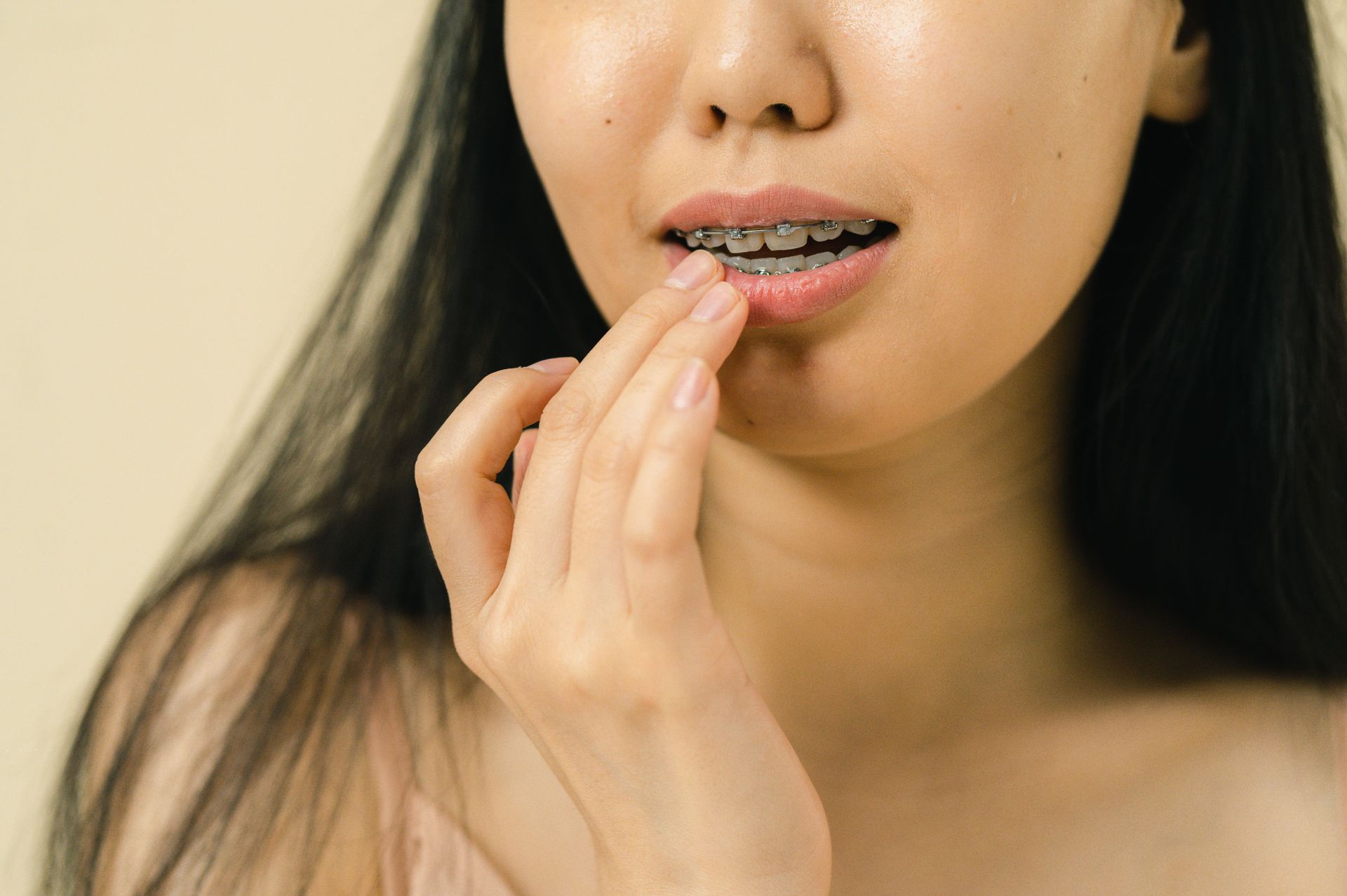
Rather than stopping brushing or flossing because the gums bleed, continue cleaning gently and consistently. Improving plaque removal may help reduce inflammation, but persistent or significant bleeding should be discussed with your dentist.
Your dental and orthodontic providers can help determine whether the problem is related to plaque buildup or whether another issue needs attention. Maintaining regular dental care throughout braces treatment is important for monitoring your overall oral health.
Can Braces Cause White Spots on Teeth?
White spot lesions can develop when plaque remains around brackets and causes mineral loss from the enamel. They may appear as chalky or lighter areas on the teeth and can become more noticeable after braces are removed.
This is one reason careful oral hygiene is so important during treatment. Thorough brushing, cleaning between the teeth, appropriate fluoride use, and regular dental care can help protect the enamel.
If you notice changes in the appearance of your teeth while wearing braces, mention them to your dental professional. Your dentist can evaluate your teeth and recommend appropriate preventive care.
Should You Still Visit Your Dentist During Orthodontic Treatment?
Yes. Orthodontic appointments and regular dental visits serve different purposesand can both be important during braces treatment.

Your orthodontic appointments focus on the progress of tooth movement and the condition of your braces. Your dentist, meanwhile, provides preventive dental care such as examinations and professional cleanings and can monitor for cavities, gum problems, and other general oral health concerns.
Professional cleaning is particularly useful when plaque or tartar has accumulated in areas that are difficult to manage at home. Continue following the dental visit schedule recommended by your dentist while also attending your orthodontic appointments.
What Are the Most Common Oral Hygiene Mistakes With Braces?
Some oral hygiene problems during braces treatment are caused less by a lack of effort and more by small habits that are easy to overlook.
Common mistakes include:
- Brushing too quickly
- Ignoring the areas around brackets
- Skipping flossing because it takes more time
- Using excessive pressure when brushing
- Frequently consuming sugary foods or drinks
- Failing to clean after meals when possible
- Stopping regular dental visits during orthodontic treatment
The goal is not to create a complicated routine. It is to be thorough and consistent. Spending a few additional minutes cleaning around your braces each day can make a meaningful difference in protecting your teeth and gums throughout treatment.
What Should Your Daily Braces Hygiene Routine Look Like?
A simple routine can make oral hygiene easier to maintain. Your exact routine may vary based on your dental needs and the recommendations of your dental and orthodontic providers, but a typical day may include:

Morning
- Brush thoroughly around the brackets and gumline.
- Clean between your teeth using an appropriate flossing method.
- Check for food or plaque that may have been missed.
After meals
- Brush when possible.
- If brushing is not immediately available, rinse your mouth with water.
- Check around the brackets for trapped food.
Before bed
- Brush thoroughly around every bracket.
- Clean between your teeth.
- Use any additional cleaning product recommended by your dental professional.
The most important part of the routine is consistency. A simple routine that you follow every day is more useful than an overly complicated routine that is difficult to maintain.
Frequently Asked Questions About Oral Hygiene With Braces
How often should I brush my teeth with braces?
Brushing after meals is helpful when practical, along with thorough brushing in the morning and before bed. Your dental professional may recommend a specific routine based on your oral health.
Is flossing really necessary with braces?
Yes. A toothbrush cannot adequately clean every space between your teeth and along the gumline. Using floss or another appropriate interdental cleaning method can help remove plaque and food particles from these areas.
Can I use an electric toothbrush with braces?
In many cases, yes. An electric toothbrush can be used with braces as long as it is used according to the manufacturer's instructions and with appropriate pressure. Ask your dental or orthodontic team if you need help selecting or using one.
Why are my gums bleeding when I floss with braces?
Bleeding can occur when plaque has accumulated around the gumline and the gums have become inflamed. Gentle, consistent cleaning may help, but persistent or significant bleeding should be evaluated by your dentist.
Can I use a water flosser with braces?
A water flosser may be useful for cleaning around braces and between teeth. It can be used as part of an oral hygiene routine, although your dental professional can recommend the cleaning methods and tools that best suit your needs.
Do I still need dental cleanings while wearing braces?
Yes. Orthodontic treatment does not replace regular dental care. Your dentist can provide preventive care and monitor your teeth and gums while your orthodontist manages your orthodontic treatment.
Keep Your Teeth Healthy Throughout Braces Treatment
Taking care of your teeth while wearing braces requires a little more time and attention, but it does not have to be complicated. Thorough brushing, cleaning between your teeth, thoughtful food choices, and regular dental care can help protect your teeth and gums throughout treatment.

Remember that the goal of braces is not simply to create straighter teeth. Maintaining the health of your enamel and gums is also an important part of achieving a healthy smile.
If you are considering
metal braces or
clear braces in Port St. Lucie, contact Desman Orthodontics to
schedule a consultation and learn more about your treatment options and how to care for your smile throughout treatment.
Share
Related Posts