


Tooth Extraction for Orthodontic Treatment: What Patients Need to Know
A tooth extraction may sometimes be recommended as part of an orthodontic treatment plan. When there is not enough room for teeth to move into proper alignment, removing one or more teeth can create the space needed to improve crowding, alignment, and the bite. However, tooth extraction is not necessary for every patient who needs orthodontic treatment, and the decision should always be based on an individual's specific needs.
At Desman Orthodontics in Port St. Lucie, treatment planning begins with a careful evaluation of your teeth, bite, available space, and overall orthodontic goals. If an extraction is recommended, understanding why it may be necessary and how it fits into your treatment can make the process feel much more manageable. Knowing what to expect before and after an extraction can also help you feel prepared for the next stage of your orthodontic journey.
Why Might a Tooth Extraction Be Needed for Orthodontic Treatment?
One of the most common reasons an orthodontist may recommend an extraction is significant dental crowding. When there is not enough room in the mouth for the teeth to align properly, creating additional space may allow the remaining teeth to be positioned more effectively. In certain cases, carefully selected extractions can provide the space needed to address alignment and bite concerns as part of a comprehensive orthodontic treatment plan.


An extraction is not performed simply to remove a tooth. Rather, it may be recommended because the additional space can help your orthodontist guide the remaining teeth into positions that better support your treatment goals. Depending on the individual case, extraction may be considered for significant crowding, severely displaced teeth, certain bite concerns, or other space-related orthodontic issues.
Creating space can be especially important when the teeth cannot be aligned properly within the available room. By considering the position of each tooth and the relationship between the upper and lower teeth, an orthodontist can determine how space may affect the overall treatment plan. The objective is to achieve appropriate alignment while also considering the function and stability of the bite.
Does Everyone Need Teeth Removed for Braces?
No, tooth extraction is not necessary for every orthodontic patient. Many people can achieve their treatment goals without having teeth removed, depending on the amount of available space, tooth position, bite, jaw structure, and other individual factors. An orthodontist needs to evaluate these factors before determining whether extraction should be part of a patient's treatment plan.
This is one reason an individualized orthodontic evaluation is so important. Two patients may appear to have similar crowding but require completely different approaches because their teeth and bite are not identical. Rather than assuming that extraction is necessary or unnecessary, your orthodontist can evaluate your specific situation and explain the treatment options available to you.
Orthodontic treatment is not based on a single factor such as how crowded the teeth appear. Your orthodontist also considers how the teeth fit together, how much space is available, and how the teeth are expected to move during treatment. A comprehensive evaluation helps ensure that any recommended approach is based on the patient's individual circumstances.
Can You Have Tooth Extraction Before Braces?
Yes, when extraction is part of an orthodontic treatment plan, it may be performed before
braces are placed or at another stage determined by your orthodontist. The timing depends on how the space will be used and how the extraction fits into the overall sequence of treatment. Your orthodontic team can explain when the extraction should take place and what you can expect afterward.
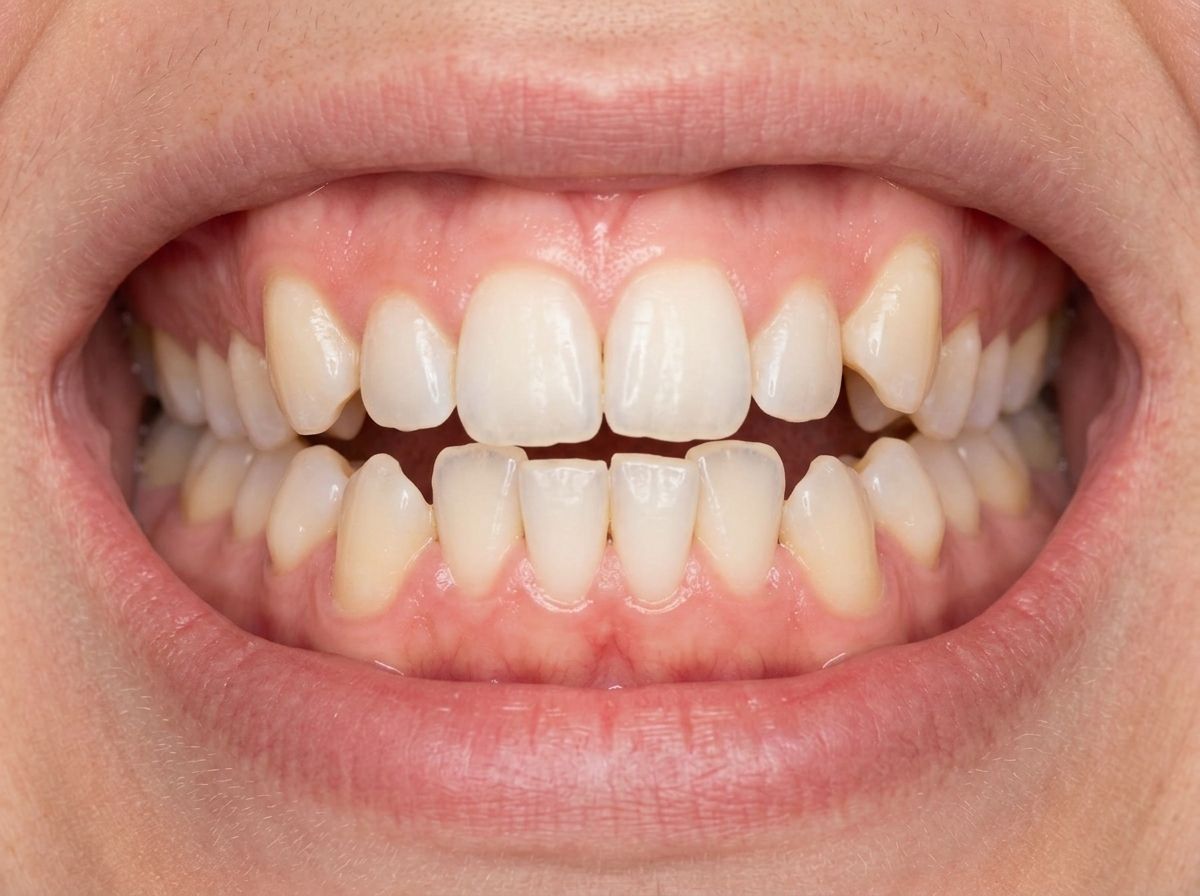

Once the appropriate teeth have been removed and the area has begun to heal, orthodontic treatment can proceed according to your personalized plan. Braces can then gradually guide the remaining teeth into their intended positions. The specific sequence and timing will vary depending on your individual orthodontic needs.
The timing of an extraction can therefore be an important part of treatment planning rather than an isolated decision. Your orthodontist can coordinate the extraction with the planned movement of your teeth so that each stage of treatment supports the next. This can also help patients understand why an extraction may be recommended before orthodontic appliances are placed.
What About Tooth Extraction and Clear Aligners?
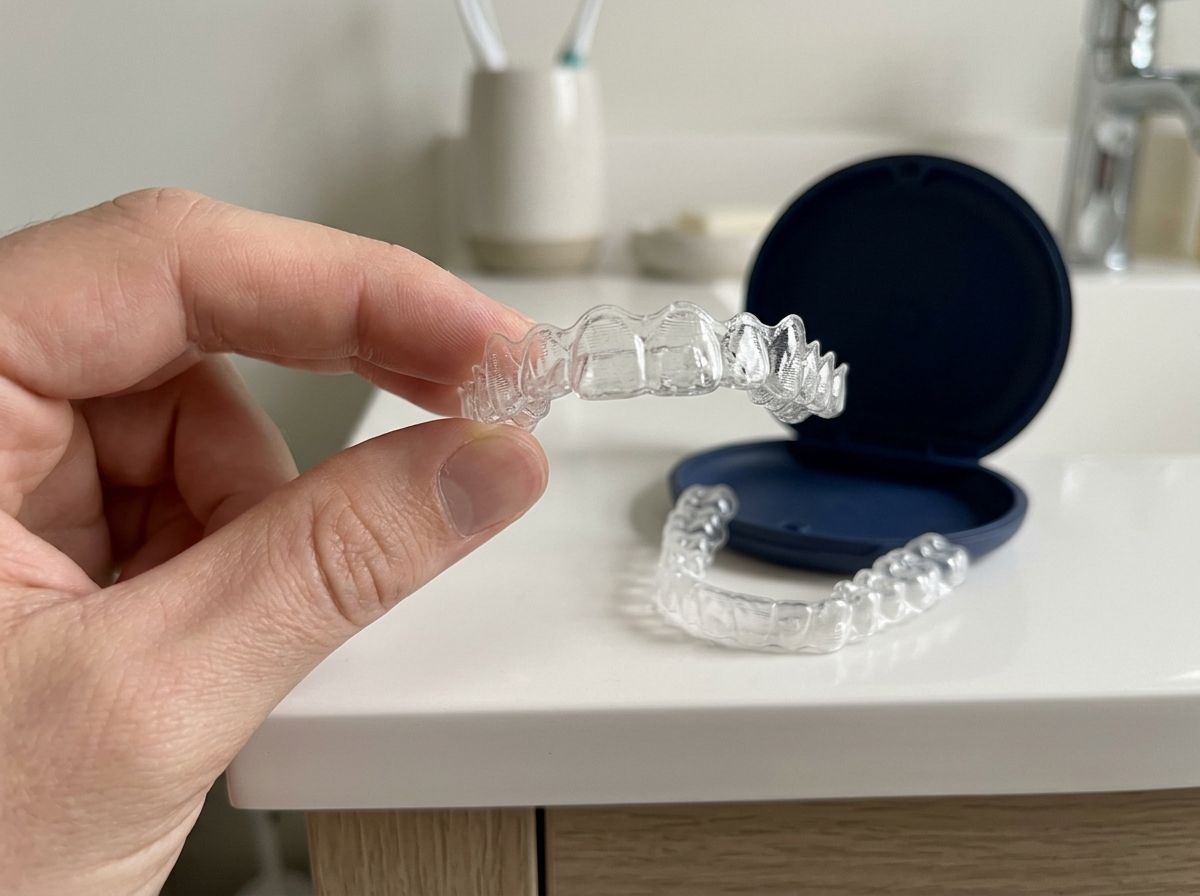
Clear aligners may also be used for certain patients whose orthodontic treatment involves managing space created by an extraction. Because clear aligners use a series of customized trays to gradually move teeth, treatment planning is important when significant tooth movement or space management is required. Whether clear aligners are appropriate depends on the complexity of the patient's case and the treatment goals established by the orthodontist.
At Desman Orthodontics, clear aligners are one of the treatment options available to patients who may benefit from a more discreet approach to orthodontic care. An orthodontic evaluation can help determine whether aligners, metal braces, clear braces, or another treatment approach is best suited to your needs. The goal is always to select an approach that addresses the patient's specific alignment and bite concerns.
Clear aligner treatment is planned around the individual movements needed to improve the patient's smile and bite. This means that the presence of an extraction in a treatment plan does not automatically determine which orthodontic appliance should be used. Your orthodontist can assess the complete case and discuss which treatment option is appropriate for the movements required.
What Happens During Orthodontic Treatment Planning?
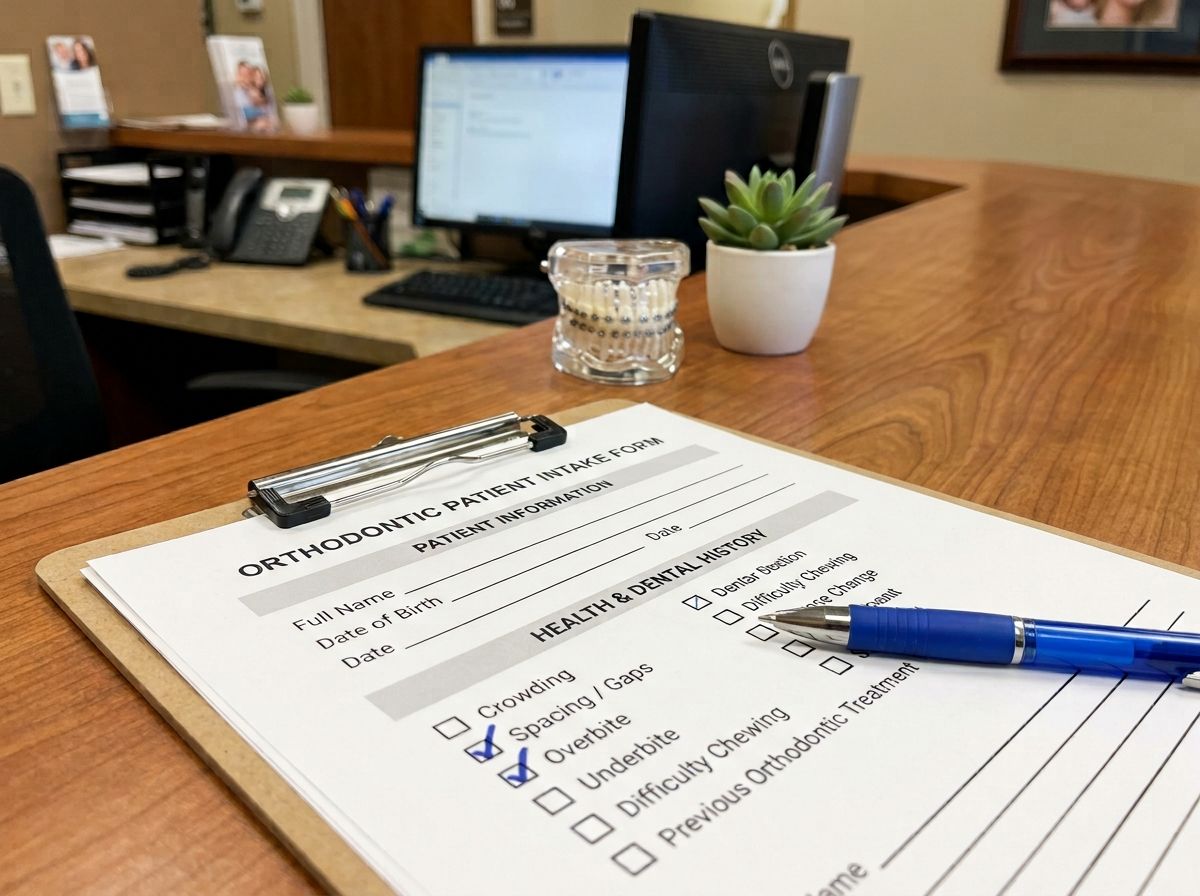
Before recommending an extraction, your orthodontist evaluates your teeth and bite and considers how your teeth need to move during treatment. The evaluation may include an examination, photographs, digital scans or impressions, and X-rays when appropriate. These details help your orthodontist understand your tooth positions, available space, and overall orthodontic needs.

Your treatment consultation is also an opportunity to discuss your goals and ask questions about your options. If extraction is recommended, your orthodontist can explain why it may be beneficial and how the additional space will be used during treatment. Understanding the reasoning behind your treatment plan can help you feel more confident about the steps ahead.
Treatment planning also allows your orthodontist to consider the long-term objectives of your care rather than focusing only on the appearance of individual teeth. The relationship between tooth alignment, available space, and the bite can all influence the recommended approach. A detailed evaluation gives you an opportunity to understand how the different parts of your treatment fit together.
What Happens After the Extraction?
When an extraction is part of orthodontic treatment, it is only one step in a larger treatment plan. Once the appropriate space has been created and the area has healed sufficiently, your orthodontist can continue guiding the remaining teeth toward their planned positions. The next stage may involve braces, clear braces, clear aligners, or another approach selected for your individual needs.
The purpose of creating space is to allow your orthodontist to manage tooth movement as part of the overall treatment strategy. Rather than looking at the extraction as an isolated procedure, it is helpful to understand how it connects to your broader orthodontic goals. Your orthodontic team can explain what happens next and how each stage contributes to your treatment.
The transition from extraction to active orthodontic treatment will depend on the patient's individual plan and healing process. Your orthodontic team can provide guidance about when treatment should continue and what you should expect at your next appointment. Following the instructions provided by the dental professional who performs the extraction is also an important part of the process.


Frequently Asked Questions About Orthodontic Tooth Extraction
Why would an orthodontist recommend a tooth extraction?
An orthodontist may recommend an extraction when additional space is needed to properly align teeth or address certain crowding and bite concerns. The decision is based on the patient's individual anatomy, tooth positions, available space, and overall treatment goals. Extraction is not automatically required simply because a patient needs braces or clear aligners.
Do I need a tooth extraction if I get braces?
Not necessarily. Many orthodontic patients can receive braces without having teeth removed, while others may benefit from extraction as part of their treatment plan. An orthodontic evaluation is necessary to determine which approach is appropriate for your particular case.
Can I get braces after a tooth extraction?
Yes. When extraction is part of an orthodontic treatment plan, braces may be placed before or after the extraction depending on the patient's specific treatment sequence. Your orthodontist will determine the appropriate timing based on how the available space will be used and how your teeth need to move.
Can clear aligners be used after a tooth extraction?
Clear aligners may be an option for some patients whose treatment involves creating or managing space following an extraction. However, the suitability of aligners depends on the complexity of the case and the movements required. Your orthodontist can determine whether clear aligners are an appropriate option after evaluating your teeth and bite.
Is tooth extraction always necessary for crowded teeth?
No. Crowding can vary considerably from patient to patient, and not every case requires an extraction. Your orthodontist will evaluate the available space and other aspects of your bite before determining which treatment approach may be appropriate.
How does an extraction fit into orthodontic treatment?
An extraction, when recommended, is part of a larger treatment strategy designed to create or manage space for tooth movement. The space can then be used as your orthodontist guides the remaining teeth toward their planned positions. The exact sequence depends on the individual treatment plan.
A Tooth Extraction Can Be One Step in a Larger Orthodontic Plan
A tooth extraction can sound intimidating, especially when it is recommended before or during orthodontic treatment. However, when an extraction is appropriate, it can serve a specific purpose within a larger plan to create space and guide the remaining teeth toward better alignment. The important question is not simply whether a tooth needs to be removed, but why the procedure has been recommended and how it fits into your individual treatment goals.

At Desman Orthodontics in Port St. Lucie, we provide personalized orthodontic care for children, teens, and adults, with treatment options that include metal braces, clear braces, and clear aligners. If you have concerns about crowding, bite problems, or whether an extraction may be part of your orthodontic treatment, an evaluation can help you understand your options.
Contact Desman Orthodontics to schedule a consultation and take the next step toward a healthier, more confident smile.
Share
Related Posts