

Habits That Can Delay Orthodontic Treatment and Affect Your Results
Orthodontic treatment is designed to improve the alignment of teeth and the way the upper and lower teeth fit together. Whether you choose braces or clear aligners, achieving the planned results requires consistent care, regular monitoring, and cooperation between you and your orthodontic team.
Although orthodontic appliances guide teeth into their intended positions, everyday habits can influence how smoothly treatment progresses. Skipping appointments, wearing aligners inconsistently, damaging braces, or neglecting oral hygiene may contribute to delays and other complications.
The good news is that many common setbacks can be prevented with a few practical changes. Understanding which habits can interfere with treatment can help you protect your teeth, follow your treatment plan, and work toward a healthier, more confident smile.
Why Does Orthodontic Treatment Require Consistent Care?
Orthodontic treatment works by applying controlled forces to move teeth gradually into planned positions. Each stage of treatment builds on the progress made during the previous one, which is why following your orthodontist's instructions is important.
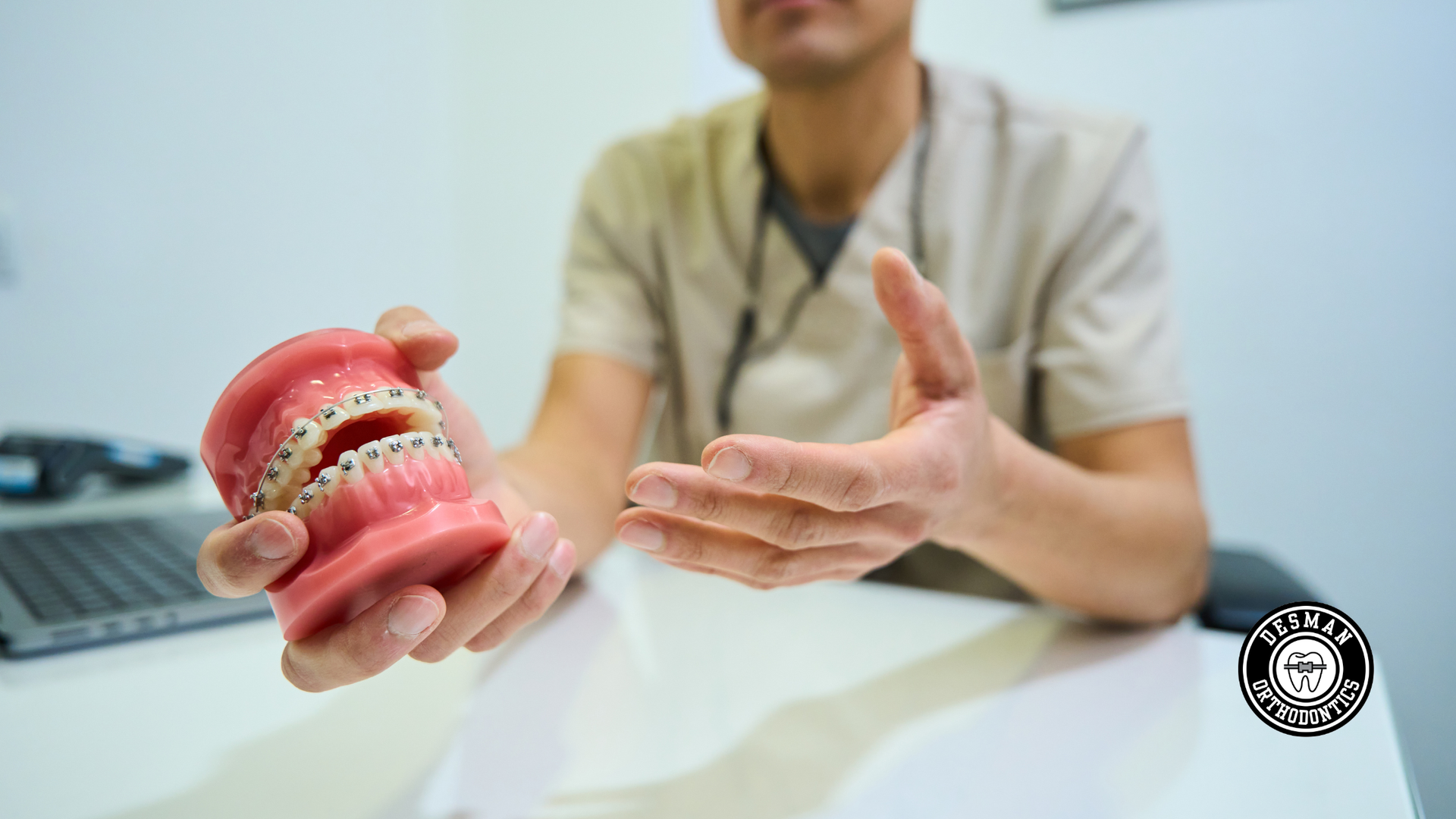

Braces use brackets and wires to guide tooth movement, while clear aligners rely on a series of removable trays designed for specific stages of treatment. Although the appliances work differently, both require proper care and regular professional monitoring.
When daily habits interfere with treatment, teeth may not move as expected. This can lead to additional appointments, adjustments, or refinements. In some cases, treatment may take longer than originally anticipated.
Maintaining a consistent routine helps your orthodontic team monitor your progress and address concerns before they become more difficult to manage.
Wearing Clear Aligners for Less Time Than Prescribed
Clear aligners offer flexibility because they can be removed for meals and oral hygiene. However, that flexibility also means patients must remember to wear them for the amount of time prescribed by their orthodontist.
Frequently removing aligners for extended periods can interfere with the planned tooth movements. If the trays are not worn consistently, teeth may not track as expected, and the next set of aligners may not fit properly.
To stay on schedule, follow your prescribed wear time and keep track of how long your aligners are out. If you have missed a substantial amount of wear time or notice that your trays no longer fit properly, contact your orthodontic provider for guidance before changing your treatment schedule.
Eating Foods That Can Damage Braces
Patients wearing braces need to be mindful of foods that can damage brackets and wires. Hard, sticky, and very chewy foods may loosen brackets, bend wires, or cause other appliance problems.
Common examples include hard candy, ice, sticky caramels, and chewing gum. Biting directly into hard foods such as whole apples or raw carrots can also place excessive pressure on braces. Cutting these foods into smaller pieces or choosing softer alternatives can help reduce the risk of damage.
A broken bracket or loose wire does not necessarily mean treatment has failed, but it may require a repair appointment and could interrupt progress. If an appliance becomes damaged, contact your orthodontic office for instructions rather than attempting to repair it yourself.
Biting Nails, Chewing on Pens, or Using Teeth as Tools
Some habits place repeated pressure on teeth and orthodontic appliances without patients realizing it. Nail biting, chewing on pens, biting ice, and using teeth to open packages can contribute to damage or unwanted stress on the teeth.
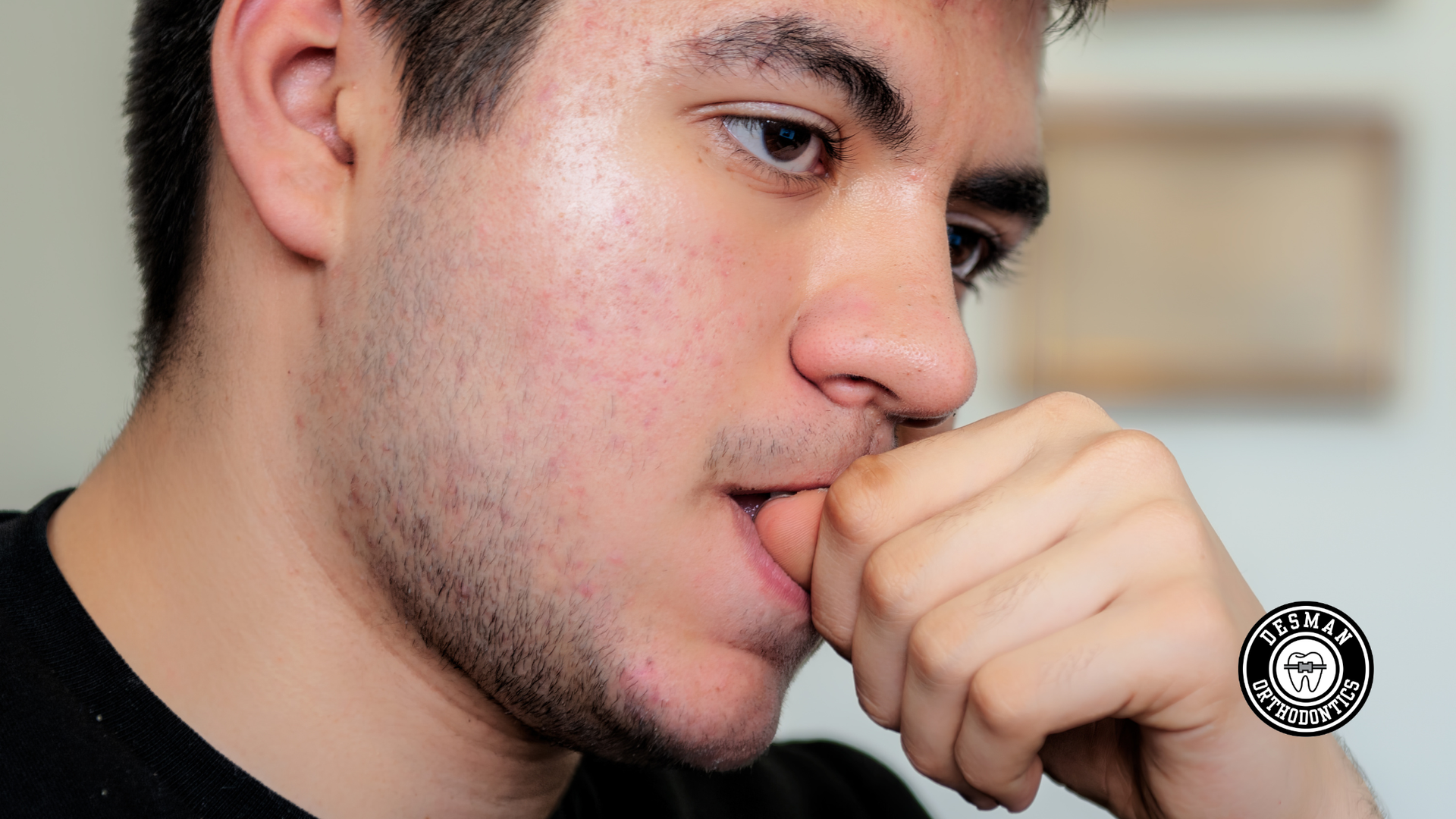

For patients with braces, these habits may loosen brackets or affect wires. Patients wearing clear aligners should also avoid biting or chewing on objects while their trays are in place, as this may damage the aligners.
Because these behaviors can happen automatically, recognizing when they occur is an important first step. Keeping your hands occupied, choosing an appropriate alternative, and becoming more mindful of these habits can help protect your appliances throughout treatment.
Neglecting Oral Hygiene During Treatment
Braces and other orthodontic appliances can make it more difficult to remove plaque and food particles from around the teeth. When cleaning is inconsistent, plaque can accumulate and contribute to gum inflammation, tooth decay, and enamel damage.
One possible consequence is the development of white spot lesions. These areas of weakened enamel may become visible after braces are removed and can remain even when the teeth are straight.
Patients wearing clear aligners also need to maintain good oral hygiene. Placing trays over teeth that have not been cleaned after eating may trap food debris and contribute to plaque buildup.
Brush regularly with fluoride toothpaste, clean between your teeth, and follow your orthodontic team's instructions for appliance care. Maintaining healthy teeth and gums throughout treatment helps protect the appearance and health of your smile.
Missing or Repeatedly Rescheduling Orthodontic Appointments
Orthodontic appointments allow your provider to evaluate tooth movement, check the condition of your appliances, and determine whether your treatment plan needs adjustments.


For patients with braces, visits may involve checking brackets and wires or making planned adjustments. For clear aligner patients, appointments help confirm that the teeth are tracking as expected and that the current treatment sequence remains appropriate.
Occasionally rescheduling an appointment is understandable. However, repeatedly missing visits can delay necessary evaluations and corrections. If you cannot attend a scheduled appointment, contact your orthodontic office as soon as possible to arrange another time.
Keeping up with recommended visits helps your provider identify concerns early and make informed decisions about your treatment.
Ignoring Loose, Broken, or Poorly Fitting Appliances
Orthodontic appliances are designed to guide teeth through specific movements. When a bracket becomes loose, a wire breaks, or an aligner no longer fits properly, the planned movement may be affected.
Some appliance problems may cause discomfort, while others may not be immediately noticeable. Ignoring them can allow the issue to persist until your next scheduled visit, potentially delaying treatment or requiring additional care.
If you notice a damaged bracket, a protruding wire, a cracked aligner, or a tray that does not fit as expected, contact your orthodontic provider for advice. Avoid bending wires, reshaping trays, or making other adjustments yourself.
Promptly reporting an issue gives your orthodontic team an opportunity to determine the appropriate next step.
Changing Your Treatment Schedule Without Guidance
It can be tempting to move ahead to the next set of aligners early or make changes to your appliance routine when treatment seems to be progressing quickly. However, teeth need time to respond to the forces applied during orthodontic treatment.


Switching aligners earlier than prescribed may result in trays that do not fit properly or movements that have not progressed as planned. Similarly, making unauthorized changes to braces or other appliances can interfere with treatment.
Always follow the schedule provided by your orthodontic team. If you have concerns about your progress or believe your treatment plan needs to be adjusted, discuss them with your provider rather than making changes independently.
How Can These Habits Affect Your Final Results?
Orthodontic treatment aims to improve tooth alignment and bite function while supporting long-term oral health. When daily habits interfere with treatment, the effects can extend beyond the original timeline.
Inconsistent aligner wear or repeated appliance damage may delay planned tooth movements. Poor oral hygiene can contribute to gum problems, tooth decay, or visible enamel changes that remain after treatment. Missed appointments may also postpone the evaluations and adjustments needed to keep treatment progressing.
Some patients may require additional aligners, refinements, or extra appointments to address unexpected changes. The need for these adjustments depends on the individual case and does not automatically mean treatment has failed.
Following your treatment plan and communicating with your orthodontic provider can help reduce preventable setbacks and support the best achievable outcome for your teeth and bite.
What Should You Do If Your Treatment Is Falling Behind?
If your teeth do not seem to be moving as expected, your aligners no longer fit properly, or you have missed several appointments, contact your orthodontic provider to discuss your concerns.

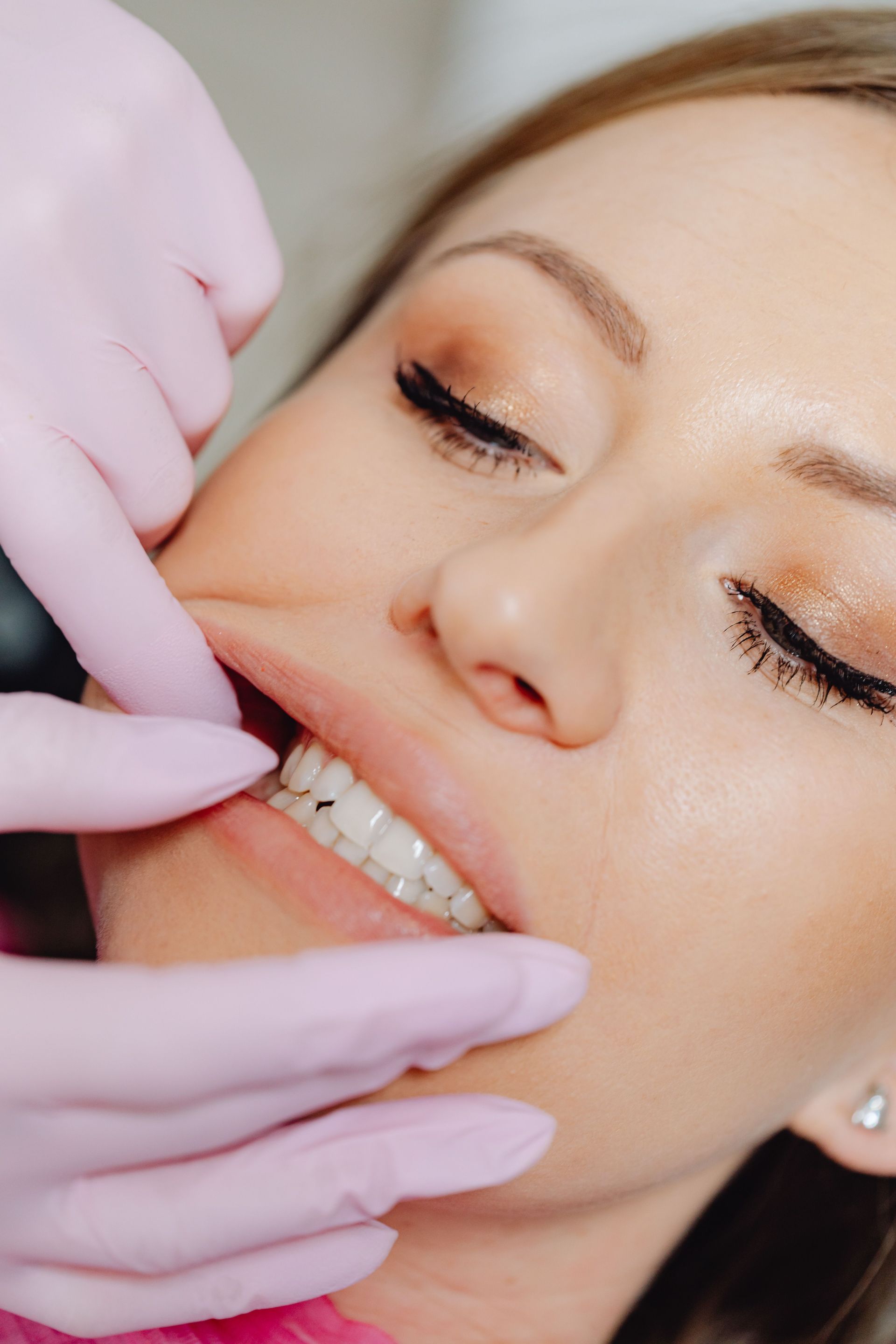
Your orthodontist can evaluate your progress, check your appliances, and determine whether your treatment plan needs to be adjusted. Depending on the situation, the next step may involve additional monitoring, appliance repairs, a revised aligner schedule, or other treatment modifications.
Avoid trying to correct the problem yourself by changing aligners early, forcing a tray into place, or adjusting braces. Following professional guidance helps ensure that any changes are appropriate for your individual treatment needs.
Addressing concerns early can help you understand what is happening and what steps may be needed to get your treatment back on track.
Frequently Asked Questions About Orthodontic Treatment Mistakes
Can orthodontic treatment fail because of bad habits?
Certain habits can interfere with treatment and contribute to delays or results that differ from the original plan. However, a setback does not automatically mean treatment has failed. Your orthodontist can evaluate the situation and recommend appropriate next steps.
What happens if I do not wear my clear aligners as directed?
Wearing aligners for less time than prescribed can interfere with planned tooth movements and may affect how well subsequent trays fit. If you have missed significant wear time, contact your orthodontic provider for guidance before changing your schedule.
Can broken braces make treatment take longer?
A broken bracket or damaged wire may interrupt planned tooth movement and require a repair appointment. The effect on your overall treatment time depends on the type of damage and how quickly it is addressed.
Can poor oral hygiene affect my final smile?
Yes. Inadequate oral hygiene during treatment can contribute to gum inflammation, tooth decay, and white spot lesions. These problems may affect the health and appearance of your teeth even after orthodontic treatment is complete.
What should I do if I miss an orthodontic appointment?
Contact your orthodontic office to reschedule as soon as possible. Your provider can determine whether any adjustments to your treatment plan are needed based on the time elapsed and your current progress.
How do I know if my orthodontic treatment is not progressing as expected?
Signs may include aligners that no longer fit properly, persistent appliance problems, or concerns about changes in your bite. Only your orthodontic provider can determine whether your treatment is progressing as planned, so schedule an evaluation if you notice something unusual.
Keep Your Orthodontic Treatment on Track With Desman Orthodontics
Successful orthodontic treatment involves more than wearing braces or clear aligners. Consistent daily care, good oral hygiene, timely appointments, and following your orthodontist's instructions all contribute to a smoother treatment experience.


While occasional setbacks can happen, recognizing common mistakes and addressing concerns early can help reduce unnecessary delays and protect your oral health throughout treatment.
If you are considering braces or clear aligners, or if you have concerns about your current treatment, Desman Orthodontics in Port St. Lucie can help you understand your options and the steps involved in maintaining progress.
Contact
our team to schedule a consultation and learn how a personalized treatment plan can support your smile goals.
Share
Related Posts