

Braces FAQs: Answers to Common Orthodontic Questions
Source:
Dr. Marketing
Getting braces raises questions that go beyond how your smile will look. Patients often want to know whether treatment will hurt, how braces will affect eating, what happens during appointments, and how long results will take.
Braces gradually move the teeth and improve how the upper and lower jaws meet. They may be recommended for crowded teeth, unwanted spaces, overbites, underbites, crossbites, open bites, and other alignment concerns. Treatment is personalized because no two bites move in exactly the same way.
These braces FAQs cover the questions patients and parents commonly ask before treatment begins and throughout the orthodontic journey.
Before Treatment: Deciding Whether Braces Are Right for You

1. Are braces only used to straighten crooked teeth?
Braces can create a straighter smile, but appearance is only one part of orthodontic treatment. They can also improve how the teeth meet and function. An uneven bite may contribute to difficulty chewing, abnormal enamel wear, jaw discomfort, and areas that are difficult to clean. Crowded or overlapping teeth can create narrow spaces where plaque and food become trapped.
Braces apply controlled pressure to gradually move teeth into planned positions. As the teeth shift, the bone and supporting tissues adapt around them. This process must happen gradually to protect the teeth and surrounding structures.
2. How do I know which type of braces I need?
Traditional metal braces can treat many alignment and bite concerns. Ceramic braces work similarly but use tooth-coloured materials for a less noticeable appearance. Some patients may qualify for clear aligners or other orthodontic appliances. The appropriate choice depends on:
- The type and severity of the bite concern
- The amount of tooth movement needed
- Age and jaw development
- Oral hygiene habits
- Ability to follow treatment instructions
- Personal preferences and budget
Clear aligners are removable but require consistent daily wear. Fixed braces remain attached to the teeth throughout treatment. A complete evaluation is needed to determine which option can predictably address your needs. Book a consultation with our team at Desman Orthodontics in Port St. Lucie to compare your orthodontic treatment options.
3. Can adults get braces?
Braces are not limited to children and teenagers. Adults can receive orthodontic treatment as long as their teeth, gums, and supporting bone are healthy enough for tooth movement. Adult treatment may require additional planning when the patient has gum disease, missing teeth, crowns, bridges, implants, or previous dental work. These conditions do not automatically prevent treatment, but they should be evaluated before braces are placed.
Some adults choose braces to improve their smile, while others need orthodontic treatment to prepare for restorative care or improve how their teeth function together.
Starting Braces: What the First Few Days Feel Like
4. Do braces hurt?
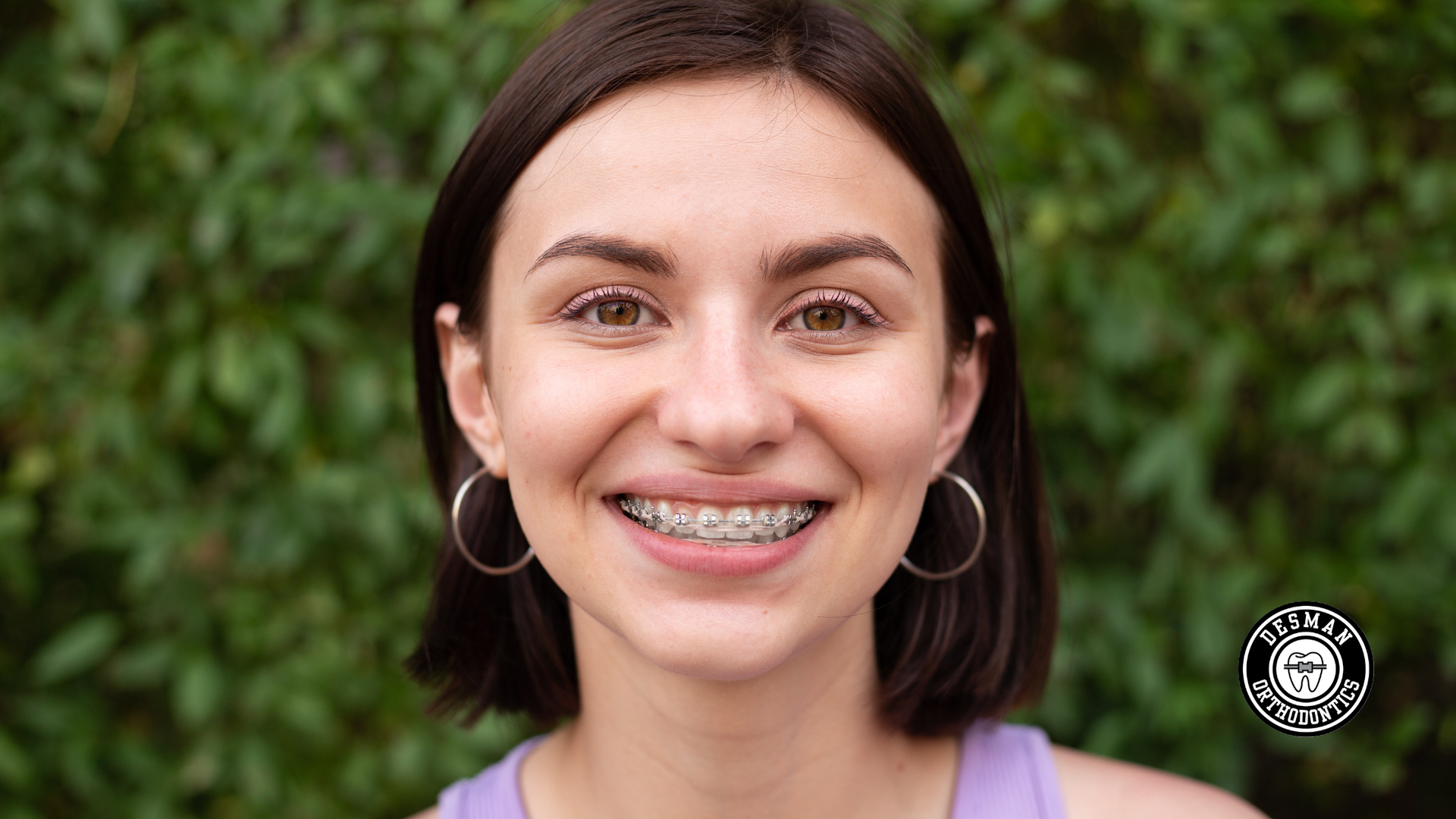
Attaching brackets to the teeth does not usually hurt. Tenderness often begins after the archwire starts applying pressure. The teeth may feel sensitive when biting or chewing for the first few days. Brackets can also rub against the cheeks and lips while the mouth adjusts. Most patients describe the sensation as pressure or a dull ache rather than sharp pain.
Soft foods such as pasta, eggs, yogurt, soup, rice, and cooked vegetables can make eating more comfortable. Orthodontic wax may be used when a bracket irritates the inside of the mouth. Mild discomfort may briefly return after adjustment appointments. Contact your orthodontic office if pain becomes severe, lasts longer than expected, or is caused by a damaged wire.
5. Will braces affect my speech?
Most patients speak normally with traditional braces. You may initially feel more aware of the brackets, but the lips and tongue usually adapt quickly. Appliances placed behind the teeth or near the roof of the mouth may temporarily affect pronunciation. Reading aloud and speaking regularly can help your mouth adjust.
If a speech change continues or the appliance feels uncomfortable, our team can check its fit and make sure everything is positioned correctly.
Daily Life With Braces: Eating and Cleaning
6. Which foods should I avoid with braces?
Hard, sticky, and chewy foods can bend wires or loosen brackets. Common foods to avoid include:
- Hard candy
- Chewing gum
- Popcorn kernels
- Ice
- Sticky caramel
- Nuts
- Hard pretzels
You do not necessarily need to eliminate apples, carrots, or other firm foods. Cut them into smaller pieces and chew carefully with the back teeth rather than biting directly into them. Sugary snacks and drinks should also be limited. Plaque can accumulate around brackets, increasing the risk of cavities and visible white marks on the enamel.
7. How do I brush and floss with braces?
Braces create additional spaces where plaque and food particles can collect. Brush above, below, and around every bracket, paying close attention to the gumline and back teeth. Floss threaders, orthodontic floss, interdental brushes, or a water flosser may help clean beneath the wire and between the teeth. The most suitable tools depend on your braces and oral health needs.
Professional dental cleanings should continue throughout orthodontic treatment. Bleeding gums, swelling, persistent bad breath, or visible buildup may indicate that your cleaning routine needs improvement. Schedule an appointment with our team at Desman Orthodontics in Port St. Lucie for personalized guidance on caring for your teeth with braces.
Staying on Track During Braces Treatment

8. How long will I need braces?
Many braces treatment plans take approximately one to three years, but timelines vary considerably. Minor tooth movement may take less time, while complex bite correction may require longer treatment. The estimated timeline depends on:
- How far the teeth need to move
- The complexity of the bite concern
- Age and jaw growth
- Gum and bone health
- Attendance at scheduled appointments
- Consistent use of elastic bands
- Broken brackets or wires
- The individual response to treatment
Your estimated completion date may change depending on how your teeth respond. Following instructions and attending appointments can help treatment progress according to plan.
9. Why are adjustment appointments important?
Progress appointments allow our team to monitor movement and guide the next stage of treatment. The archwire may be adjusted or replaced, elastic ties may be changed, and the bite may be checked. Appointments are usually scheduled every several weeks. Missing multiple visits can interrupt the planned sequence of tooth movement and extend treatment.
If elastic bands are prescribed, wear them exactly as directed. Wearing extra elastics will not safely accelerate treatment and may move teeth in an unwanted direction.
Managing Unexpected Braces Problems
10. What should I do if a bracket or wire breaks?
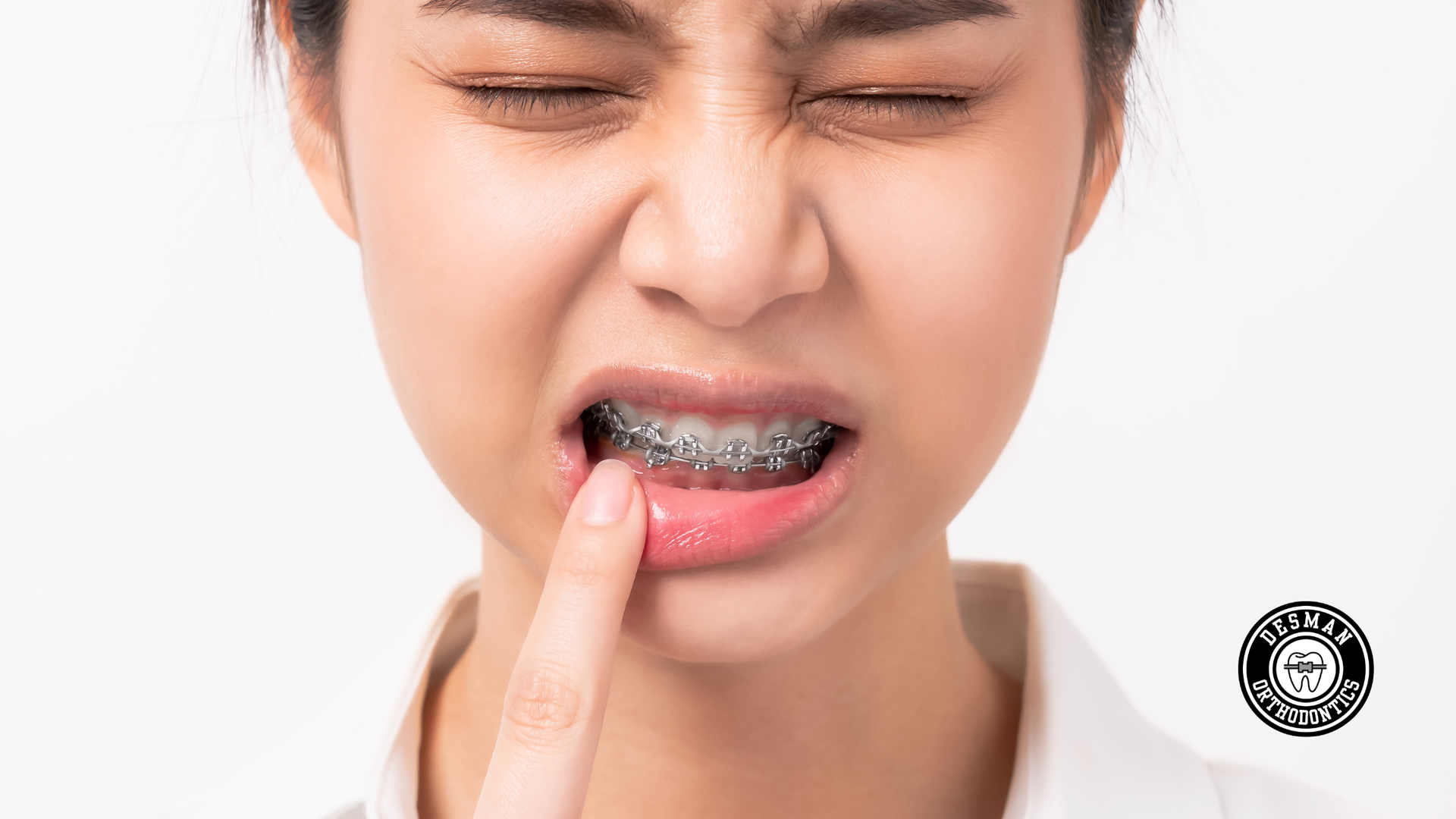
A broken bracket or wire is usually not a serious emergency, but the orthodontic office should be contacted promptly. Damaged braces may irritate the mouth or stop applying the intended pressure. Orthodontic wax can temporarily cover a wire that rubs against your cheek. If a bracket is loose but still attached to the wire, leave it in place and avoid pulling on it.
Do not attempt to repair braces with household glue or tools. Significant facial swelling, severe pain, uncontrolled bleeding, or difficulty breathing requires urgent medical or dental attention.
11. Can I play sports while wearing braces?
Yes. Braces do not prevent patients from participating in sports. However, an orthodontic mouthguard should be worn during contact sports or activities that could result in injury to the face. An orthodontic mouthguard provides room for brackets and ongoing tooth movement. It helps protect the teeth, lips, cheeks, and braces if an impact occurs.
Ask our team which type of mouthguard is appropriate for your sport and treatment stage.
After Braces: Protecting Your Results
12. Will I need a retainer after braces?
Yes. Teeth can gradually shift after braces are removed because the bone and tissues need time to stabilize around their new positions.
A retainer may be removable or attached behind the teeth. Your wearing schedule will depend on your treatment plan. Some patients begin with full-time wear before transitioning to nighttime use. Clean removable retainers regularly and store them in their case when they are not being worn. Contact the office if your retainer is lost, damaged, or no longer fits. Waiting too long may allow the teeth to shift enough that a replacement is needed.
Start Your Braces Journey With the Right Information

Braces can improve tooth alignment, bite function, and smile confidence, but every orthodontic journey is different. Treatment length, appliance type, and daily care requirements depend on your individual teeth, gums, and bite.
Online braces FAQs can provide general guidance, but they cannot determine which treatment approach is right for you.
If you are considering braces for yourself or your child, book an appointment with our team at Desman Orthodontics in Port St. Lucie today. We can assess your orthodontic needs, answer your questions, and explain what to expect at every stage of treatment.
Share
Related Posts