

Clear Aligners and Your Daily Routine: A Practical Patient Guide
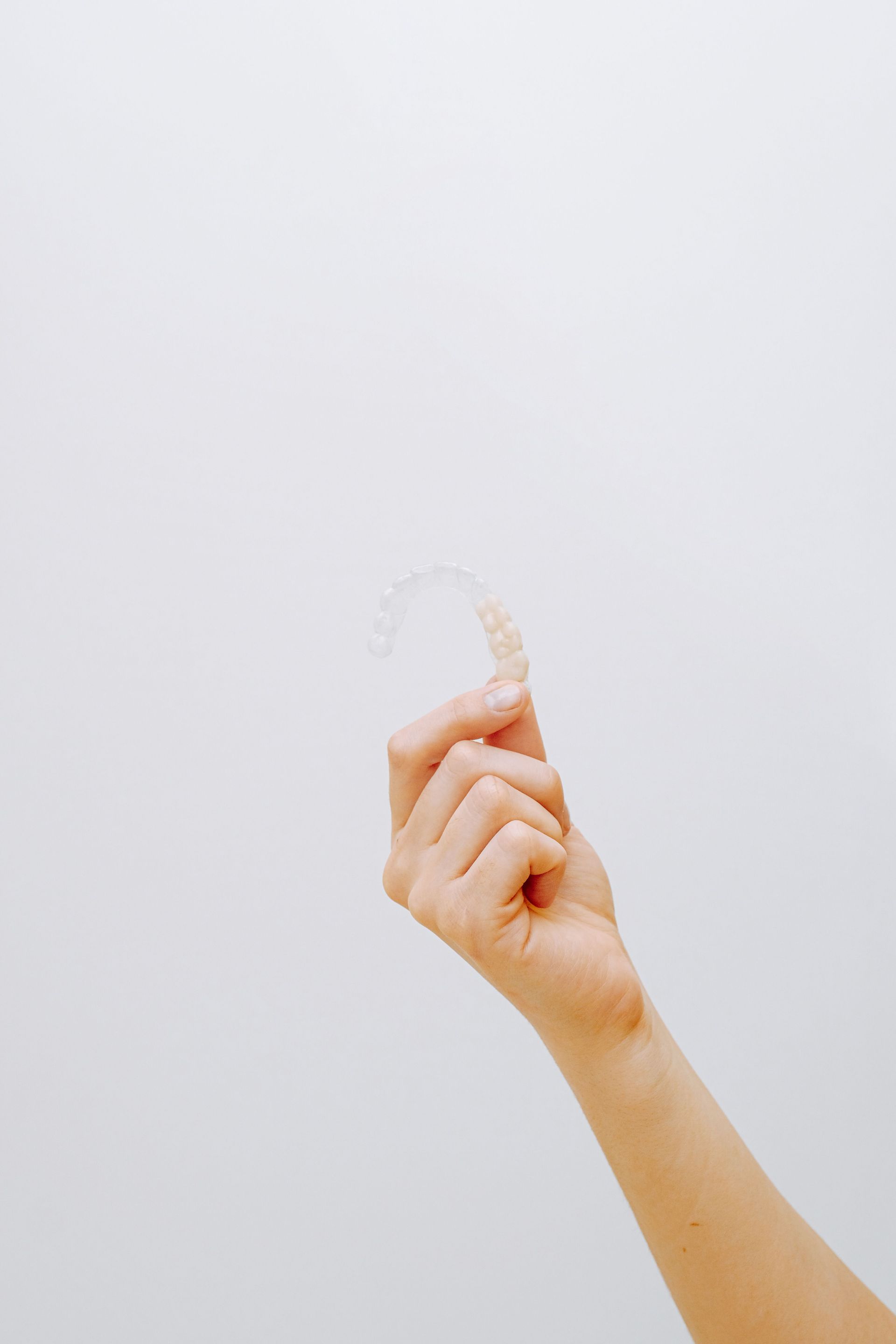
Starting clear aligner treatment involves more than wearing a series of removable trays. It also means developing daily habits that help you follow your prescribed treatment plan, keep your teeth clean, and care for your aligners properly.
Because the trays can be removed for eating and oral hygiene, they offer flexibility throughout the day. However, that flexibility comes with responsibilities. Wearing your aligners for the recommended amount of time, cleaning them regularly, and following your orthodontist's instructions are all important parts of treatment.
At Desman Orthodontics in Port St. Lucie, patients receive guidance throughout their clear aligner treatment to help them understand what to expect and how to maintain a consistent routine. Here's how to incorporate aligner care into your morning, meals, work or school, activities, and evening routine.
What Should Your Morning Routine Look Like With Clear Aligners?
A consistent morning routine helps you begin the day with clean teeth and properly maintained aligners. Start by removing your trays and inspecting them for any visible debris or damage.


Brush your teeth thoroughly with fluoride toothpaste and clean between your teeth as part of your regular oral hygiene routine. Clean your aligners according to the manufacturer's instructions and the guidance provided by your orthodontic team. Use cool or lukewarm water rather than hot water, which may distort the trays.
Once your teeth and aligners are clean, reinsert the trays and continue following your prescribed wear schedule. If you have recently switched to a new set, you may notice some pressure or tightness. If a tray causes significant pain, does not fit properly, or appears damaged, contact your orthodontic provider for advice.
How Should You Manage Meals and Snacks?
One advantage of removable aligners is that you can take them out before eating, allowing you to enjoy a variety of foods without the dietary restrictions associated with fixed braces.
Before a meal or snack, remove your aligners and place them in their protective case. Avoid wrapping them in a napkin or leaving them loose on a table, where they could be accidentally discarded or damaged.
After eating, brush your teeth before reinserting your trays whenever possible. If you cannot brush immediately, rinse your mouth thoroughly with water until you can clean your teeth properly. Try to avoid frequent, unnecessary removals throughout the day, since time spent eating and snacking can add up and make it harder to meet your prescribed daily wear time.
How Can You Manage Clear Aligners at Work or School?
Clear aligners can fit into many everyday routines, including work, school, and running errands. However, spending long hours away from home can make it easier to overlook cleaning or forget to put your trays back in after meals.


A small aligner-care kit can help you stay prepared. Consider carrying:
- Your protective aligner case
- A travel toothbrush and toothpaste
- Dental floss or another interdental cleaning tool
- Any aligner-cleaning supplies recommended by your orthodontic team
If you remove your trays during lunch or a snack break, make it a habit to return them to your mouth after cleaning your teeth. Setting a reminder can also help if you tend to lose track of time during a busy day.
Some patients notice a temporary change in speech when they first begin wearing aligners. Reading aloud and practicing everyday conversations may help you become more accustomed to speaking with the trays in place. If speech difficulties persist or interfere significantly with daily activities, ask your orthodontic provider for guidance.
Can You Exercise While Wearing Clear Aligners?
Many everyday physical activities can be performed while wearing clear aligners, but the appropriate approach depends on the activity and your orthodontist's instructions.
For routine activities such as walking, running, or working out at the gym, you can generally continue wearing your trays as prescribed. Drinking plain water is usually the preferred option while the aligners are in place.
Contact sports and activities with a risk of impact to the mouth require additional consideration. Clear aligners are not designed to protect your teeth from sports-related injuries. Ask your orthodontic provider about appropriate mouth protection and whether you should remove your trays during a particular activity.
If you need to remove your aligners, place them in their case and follow the instructions provided by your orthodontic team for returning to your normal wear schedule.
How Should You Handle Social Events and Dining Out?
Social events, restaurant meals, and gatherings with friends can all fit into your routine while undergoing aligner treatment. The key is to plan for meals and keep your prescribed wear schedule in mind.


When dining out, remove your trays before eating and store them safely in their case. After the meal, clean your teeth before reinserting them whenever possible. If brushing facilities are unavailable, rinse with water and brush as soon as you reasonably can.
For events that involve extended meals or frequent snacking, remember that every additional period without your aligners reduces the time they are being worn. You do not need to avoid social occasions, but planning ahead can help you manage your treatment responsibilities without unnecessary interruptions.
What Should Your Evening Routine Include?
Your evening routine is an opportunity to make sure your teeth and aligners are clean before going to bed. Since you will typically wear your trays overnight, it is important to avoid trapping food debris against your teeth.
Brush thoroughly with fluoride toothpaste and clean between your teeth using your usual interdental cleaning method. Then clean your aligners according to the care instructions provided by your orthodontic team before reinserting them.
Before going to bed, make sure your aligners are seated properly and that you are following your prescribed wear schedule. If you notice unusual discomfort, damage, or a change in how the trays fit, contact your orthodontic provider rather than attempting to modify the aligners yourself.
How Can You Keep Your Aligners Clean Throughout the Day?
Keeping your trays clean is an important part of daily aligner care. Saliva, plaque, and other debris can accumulate on the trays, especially when they are not cleaned regularly.


Rinse your aligners with cool or lukewarm water when you remove them, and clean them as directed by your orthodontic team. Avoid using hot water or abrasive cleaning methods that could damage the material. Follow the manufacturer's instructions for any recommended cleaning products.
It is also important to keep your aligners in their protective case whenever they are not being worn. This helps reduce the risk of loss, contamination, and accidental damage.
What Common Habits Can Disrupt Your Aligner Routine?
Even small changes in daily habits can make it harder to follow your treatment plan. Recognizing common mistakes can help you build a more consistent routine.
Some habits to watch for include:
- Leaving aligners out longer than recommended during meals or social events.
- Forgetting to reinsert trays after eating.
- Placing aligners in napkins or leaving them loose on a surface.
- Drinking beverages other than water while wearing the trays without following your provider's instructions.
- Using hot water to clean aligners.
- Switching to the next set of trays earlier or later than instructed.
- Attempting to repair or reshape a damaged aligner yourself.
If you repeatedly struggle to meet your prescribed wear time or have difficulty following your treatment schedule, discuss it with your orthodontic provider. They can help you identify practical adjustments that fit your daily routine.
Frequently Asked Questions About Daily Clear Aligner Care
How many hours a day should I wear clear aligners?
Many clear aligner treatment plans recommend approximately 20 to 22 hours of wear per day. However, the exact amount depends on your treatment plan, so follow the schedule prescribed by your orthodontic provider.

Can I drink coffee or other beverages while wearing aligners?
Plain water is generally the preferred drink while wearing your trays. For coffee, tea, sugary beverages, or other drinks, remove your aligners and follow your provider's instructions before putting them back in.
Should I brush my teeth every time I eat?
Brushing before reinserting your aligners is recommended whenever possible. If you cannot brush immediately, rinse your mouth with water and clean your teeth as soon as you can.
Is it normal for new aligners to feel tight?
Some pressure or tightness may occur when switching to a new set of trays. However, significant pain, poor fit, or persistent discomfort should be discussed with your orthodontic provider.
What should I do if I forget to wear my aligners?
Put your trays back in when you remember, provided they still fit comfortably, and contact your orthodontic provider if you have missed a substantial amount of wear time or are unsure how to proceed. Do not change your prescribed tray schedule without guidance.
When should I switch to my next set of aligners?
Follow the change schedule prescribed by your orthodontic provider. Do not advance to the next set simply because your current trays feel comfortable or appear to fit well.
Build a Routine That Supports Your Treatment
Living with clear aligners becomes more manageable when daily care is built into habits you already follow. Cleaning your teeth, storing your trays properly, wearing them as prescribed, and preparing for meals and activities can help you stay consistent throughout treatment.
Every patient's treatment plan is different, so follow the instructions provided by your orthodontic team and ask questions whenever something feels unclear. A routine that works for your lifestyle can make it easier to maintain your treatment schedule while taking care of your teeth and aligners.
If you are considering
clear aligner treatment or are already wearing aligners in Port St. Lucie,
contact Desman Orthodontics to schedule a consultation and learn more about your treatment options and the care involved.
Share
Related Posts