

Retainer Care: How to Clean, Store, and Maintain
Retainers help preserve the results of orthodontic treatment, but keeping them clean and in good condition requires consistent care. Without proper maintenance, retainers can develop plaque buildup, unpleasant odors, discoloration, or damage that affects their fit.
Whether you wear a clear plastic retainer, a Hawley retainer, or a fixed retainer bonded behind your teeth, knowing how to care for it can help maintain its condition and identify when it needs professional attention.
At Desman Orthodontics in Port St. Lucie, we help patients maintain their retainers and protect their orthodontic results. This guide covers cleaning, storage, replacement, and common retainer problems.
How to Clean Your Retainer Properly
Regular cleaning helps remove plaque, food debris, and bacteria. The appropriate method depends on your retainer type, so follow the care instructions provided by your orthodontist.

Cleaning Removable Retainers
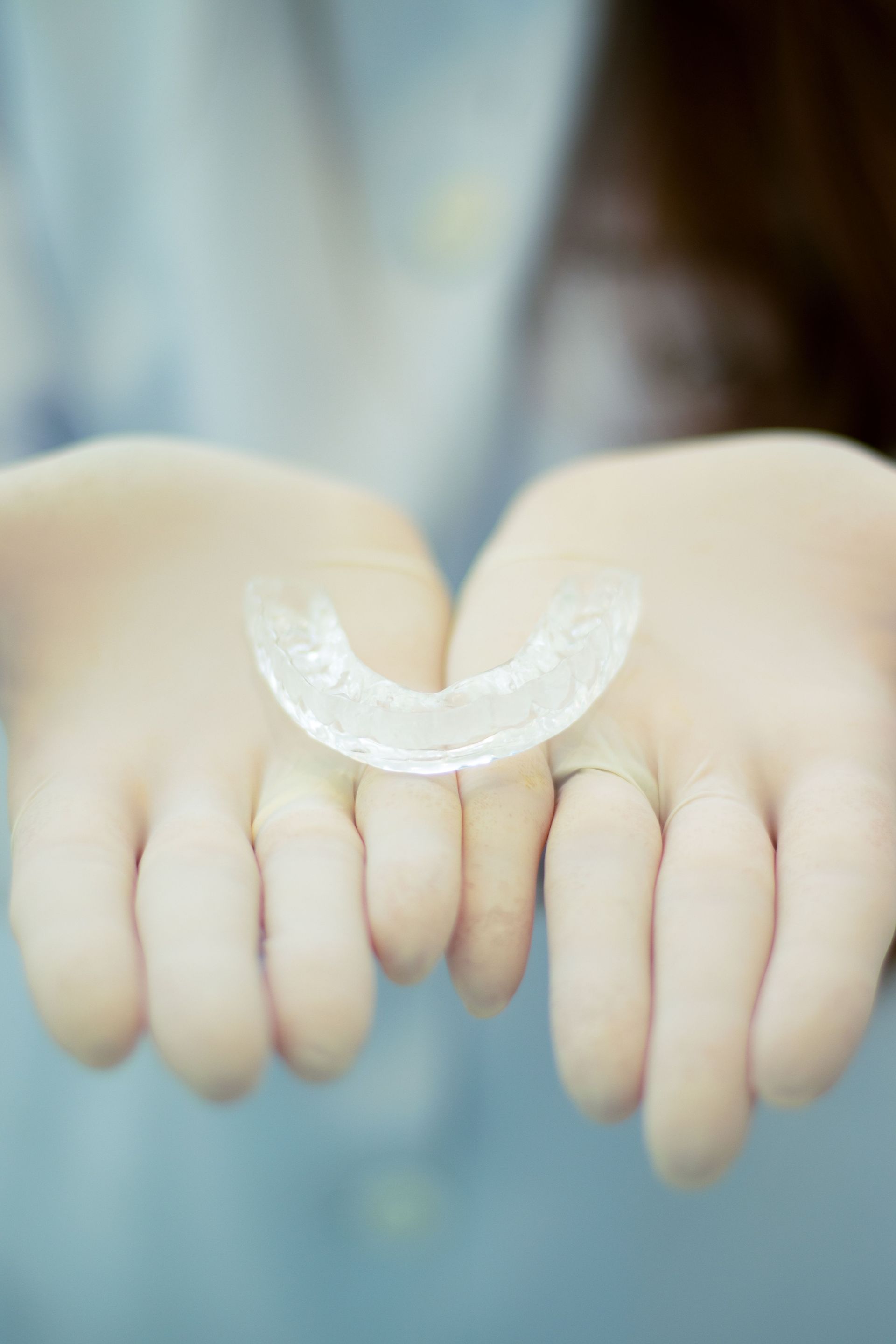
Clear plastic and Hawley retainers should be cleaned regularly to prevent buildup and unpleasant odors.
Follow these steps:
- Rinse after removal. Use cool or lukewarm water to remove saliva and loose debris.
- Brush gently. Use a soft-bristled toothbrush dedicated to cleaning your retainer.
- Use a suitable cleaner. A retainer-specific cleaning product can help remove buildup. Follow its instructions and confirm that it is safe for your appliance.
- Rinse thoroughly. Remove any remaining cleaning solution before wearing the retainer again.
Avoid hot water, abrasive toothpaste, and harsh household cleaners, which can damage certain retainer materials.
Cleaning Fixed Retainers
Fixed retainers require careful cleaning because plaque can accumulate around the wire and bonding points.
- Brush the wire and surrounding tooth surfaces with a soft-bristled toothbrush.
- Clean between your teeth and around the wire using floss threaders or an appropriate interdental brush.
- Continue attending routine dental cleanings and checkups.
If you notice persistent buildup or gum irritation, ask your dentist or orthodontist for guidance.
How to Store Your Retainer Safely
Proper storage helps prevent damage, contamination, and loss.
Use a Protective Case
Place your removable retainer in a clean, ventilated protective case whenever you take it out. Avoid wrapping it in a napkin or tissue, as it could accidentally be thrown away.
Keep the case in a consistent location and bring it with you when traveling or eating away from home.
Protect It From Heat and Damage
Heat can distort plastic retainers and affect their fit. Avoid leaving them in hot cars, near heaters, or in direct sunlight for extended periods.
Keep retainers away from pets and small children, and store them securely to prevent accidental damage.
Common Retainer Care Mistakes to Avoid
Everyday habits can shorten a retainer's lifespan or make it harder toep clean.


Eating or Drinking While Wearing a Removable Retainer
Eating with a removable retainer can expose it to food debris and increase the risk of damage. Hot, sugary, or acidic drinks may also affect the appliance or become trapped against your teeth.
Remove your retainer before eating and drinking anything other than water, unless your orthodontist has provided different instructions. Clean your teeth as appropriate before putting it back in.
Using Harsh Cleaners or Skipping Cleaning
Abrasive toothpaste, bleach, and unsuitable cleaning products may damage certain materials. Meanwhile, allowing plaque and debris to accumulate can cause odors, discoloration, and hardened deposits.
Use a cleaning method recommended for your appliance and seek professional advice if buildup persists.
Leaving Your Retainer Unprotected
Leaving your retainer on a table, countertop, or napkin increases the risk of loss and damage. Always use its protective case when it is not being worn.
When Should You Replace Your Retainer?
Retainers do not have one universal replacement schedule. Their lifespan depends on the appliance type, materials, wear habits, and maintenance.
Clear plastic retainers may need replacement more frequently than some Hawley retainers, while fixed retainers can last for years with proper monitoring.
Signs Your Retainer May Need Replacement
Have your retainer evaluated if you notice:
- Cracks, chips, or broken components.
- Warping or changes in shape.
- Loose wires or damaged bonding on a fixed retainer.
- Persistent odors or buildup that cleaning cannot remove.
- Unusual tightness, looseness, or changes in fit.
- Rough or damaged areas that irritate your mouth.
Your orthodontist can determine whether cleaning, adjustment, repair, or replacement is appropriate.
What to Do if Your Retainer Feels Uncomfortable
A new retainer may feel unfamiliar, but persistent pain, unusual pressure, or a change in fit should not be ignored.


Common Causes of Discomfort
- Changes in tooth position: Missing prescribed wear time can allow teeth to shift, making a retainer feel tight.
- Damage or distortion: Cracks, bends, or warping can affect how the appliance fits.
- Irritation: Rough edges or protruding wires may cause soreness.
- Changes in fit: A retainer may stop fitting properly over time and require professional evaluation.
What to Do if Your Retainer Feels Tight
If your retainer feels unusually tight, does not seat fully, or causes pain, do not force it into place or attempt to adjust it yourself. Contact your orthodontist for guidance.
If you have missed several days or weeks of wear, your orthodontist can determine whether your current retainer is still suitable.
If a fixed retainer feels loose or causes irritation, contact your dental professional rather than attempting to bend or remove the wire.
What to Do if Your Retainer Breaks or Gets Lost
A broken or lost retainer can interrupt your retention routine. Taking prompt action can help reduce the risk of unwanted tooth movement.
If Your Retainer Breaks
- Stop wearing it if it has sharp edges or damage that could injure your mouth.
- Do not attempt to glue, bend, or repair it yourself.
- Keep the damaged appliance and contact your orthodontist about repair or replacement.
If You Lose Your Retainer
Contact your orthodontist as soon as possible to discuss a replacement. If you have a backup retainer, ask whether it is appropriate to use it while waiting.
Avoid wearing an old retainer that no longer fits without professional guidance.
Long-Term Tips for Maintaining Your Retainer
Consistent habits help keep your appliance clean, protected, and effective.
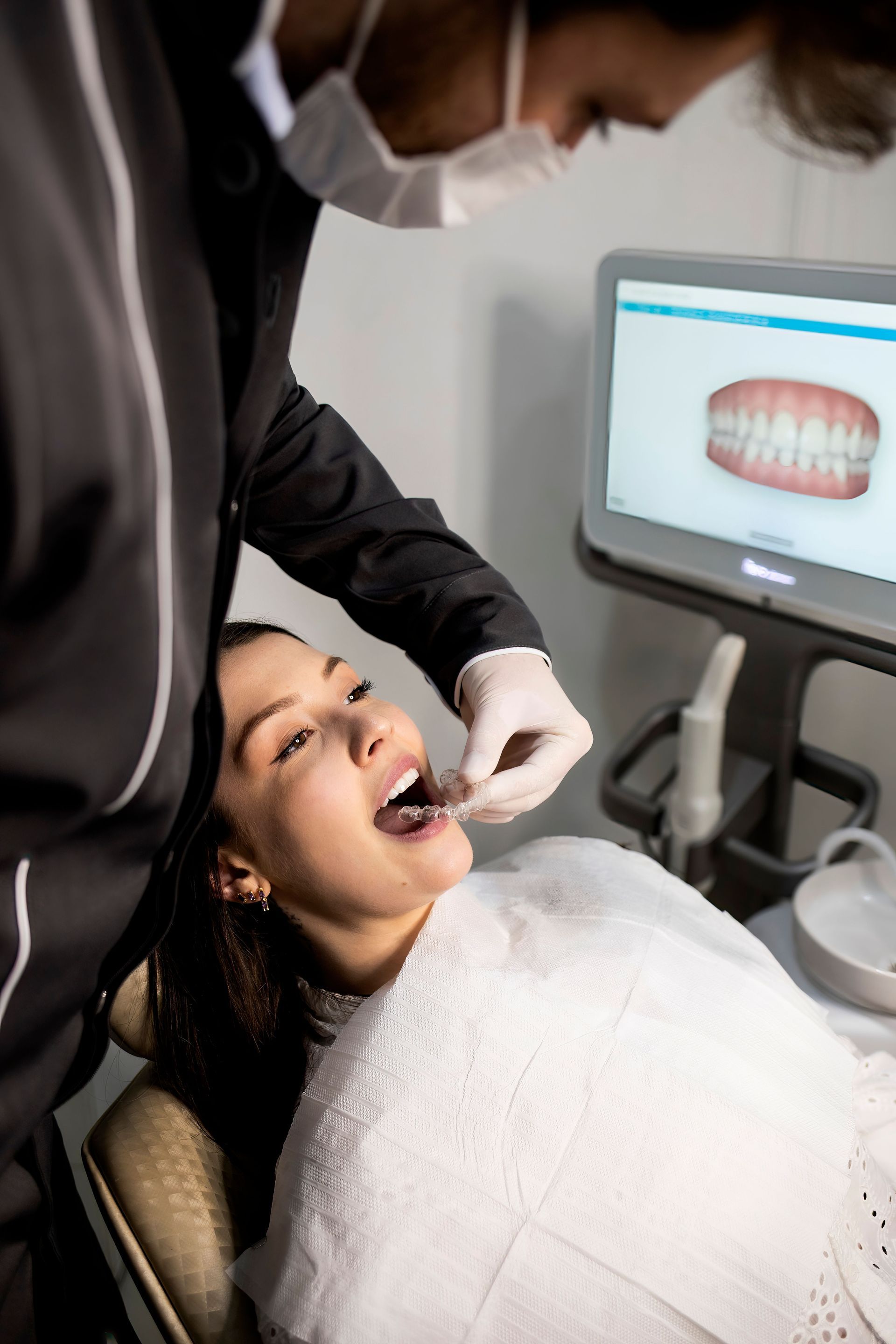
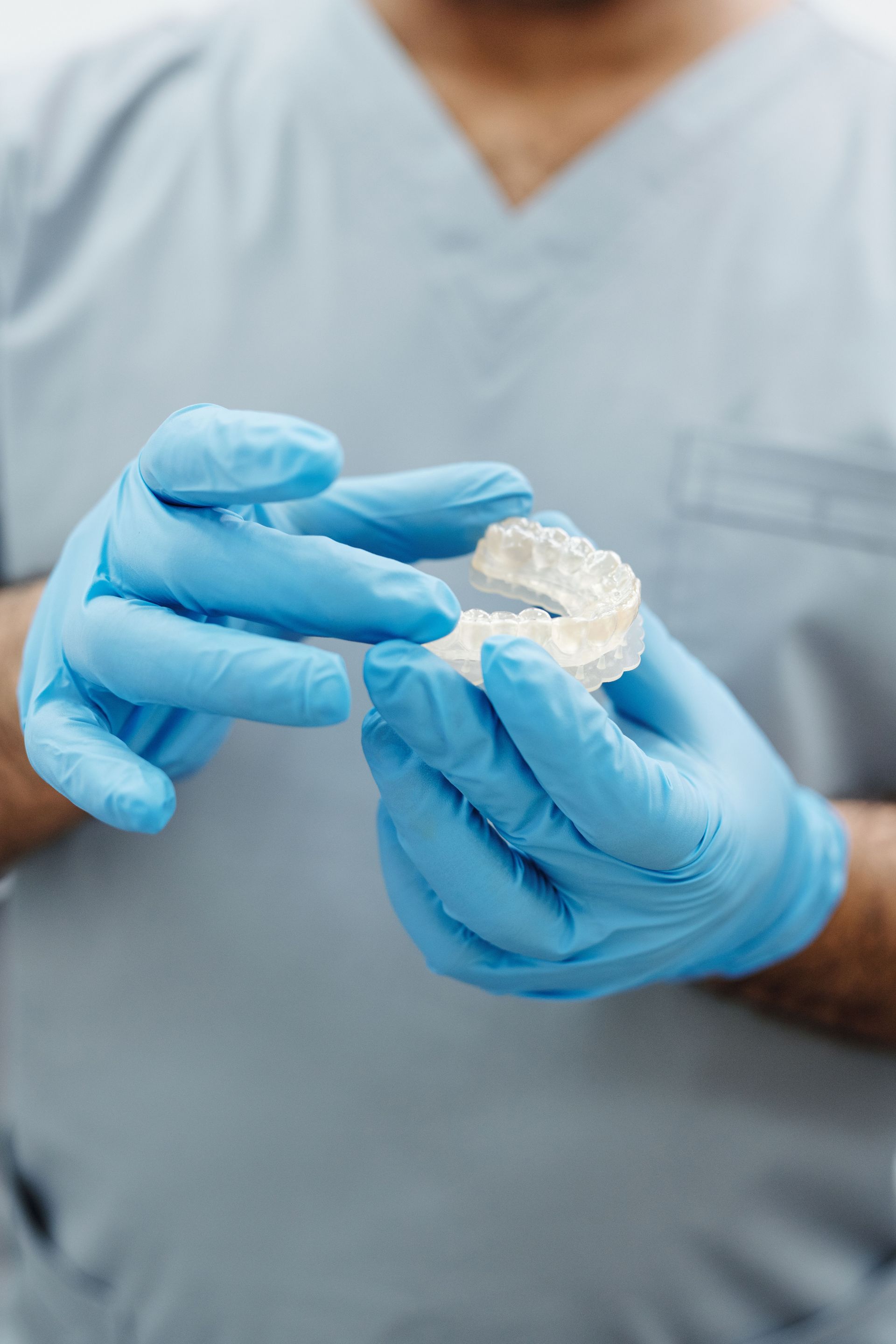
- Follow your prescribed wear schedule. Wear your retainer as directed by your orthodontist.
- Clean it regularly. Use a suitable cleaning method for your retainer type.
- Inspect it for damage. Check for cracks, warping, loose wires, or changes in fit.
- Store it safely. Keep removable retainers in their protective case.
- Attend routine checkups. Dental and orthodontic visits help monitor your oral health and retainer condition.
For more information about why consistent retainer wear matters, read Why Retainers Are Essential After Braces or Aligners.
Frequently Asked Questions About Retainer Care
How often should I clean my retainer?
Clean removable retainers regularly, generally every day, following your orthodontist's instructions. Fixed retainers require daily brushing and careful cleaning around the wire.
Can I use toothpaste to clean my retainer?
Some toothpastes are abrasive and can scratch certain materials, particularly clear plastic. Use a suitable cleaning product and a soft-bristled brush.
Can I soak my retainer in mouthwash?
Not all mouthwashes are suitable for retainers. Some may discolor or damage certain materials. Use a retainer-specific cleaning solution or follow your orthodontist's instructions.
How long does a retainer last?
Lifespan varies by retainer type, material, and maintenance. Your orthodontist can assess its condition and determine when
replacement is necessary.
What should I do if my retainer smells bad?
Clean it using a method suitable for its material. If the odor persists, ask your orthodontist to check for buildup or damage.
Can I wear my retainer if it feels tight?
Unusual tightness, pain, or difficulty seating your retainer may indicate that your teeth have shifted or the appliance no longer fits properly. Do not force it into place. Contact your orthodontist.
What happens if I forget to wear my retainer for a few days?
Your teeth may begin to shift when you stop wearing your retainer as prescribed. If it feels tight, painful, or does not seat properly, contact your orthodontist before attempting to resume wear.
Can I clean my retainer with hot water?
No. Hot or boiling water can distort plastic retainers. Use cool or lukewarm water unless your orthodontist has provided different instructions.
Keep Your Retainer Clean and Your Smile on Track
Proper retainer care helps maintain your appliance and supports the results of orthodontic treatment. Cleaning it regularly, storing it safely, and recognizing signs of damage can help keep it in good condition.


At Desman Orthodontics in Port St. Lucie, we provide guidance on retainer care, fit, and replacement. If your retainer feels uncomfortable, becomes damaged, or no longer fits properly, contact our team for guidance.
Contact Desman Orthodontics to schedule an appointment or ask about retainer care and replacement.
Share
Related Posts