

Preparing for Clear Aligners: What to Do Before Treatment
Starting clear aligner treatment is an exciting step toward improving the alignment of your teeth and bite. Before your first set of aligners is made, however, your orthodontic team needs to evaluate your teeth, gums, bite, and overall oral health.
Some patients may need dental treatment before beginning clear aligners, while others can proceed without any additional procedures. The appropriate approach depends on your individual oral health and treatment goals.
At Desman Orthodontics in Port St. Lucie, we evaluate each patient's smile and treatment needs before developing a clear aligner plan. Understanding what may need to be addressed beforehand can help you know what to expect and prepare for treatment with confidence.
Why Is a Pre-Treatment Evaluation Important?
Clear aligners are custom-designed to move teeth according to a specific treatment plan. Before treatment begins, your orthodontic provider needs to understand the current position of your teeth, your bite, and any factors that could affect the planned tooth movements.


A pre-treatment evaluation can identify dental or oral health concerns that may need attention before or during orthodontic treatment. This may include cavities, gum problems, damaged teeth, existing restorations, or other conditions that require coordination with your general dentist or another dental specialist.
Addressing these concerns at the appropriate time can help create a healthier foundation for treatment and reduce the likelihood of unexpected interruptions. However, not every dental issue requires treatment before clear aligners, so your orthodontic provider can help determine what should be addressed and when.
What Should Be Checked Before Starting Clear Aligners?
Before beginning treatment, your orthodontic team will evaluate your teeth and bite to determine whether clear aligners are appropriate for your needs. Depending on your situation, this may include a clinical examination, photographs, digital scans, and X-rays when indicated.
Your provider may also review your dental history and existing restorations. Crowns, fillings, bridges, implants, or previously treated teeth do not automatically prevent clear aligner treatment, but they may need to be considered when creating your treatment plan.
The goal is to understand your current oral health and develop a treatment approach that accounts for your individual circumstances. If another dental professional needs to address a specific concern first, your orthodontic team can coordinate the appropriate timing.
Do Cavities Need to Be Treated Before Clear Aligners?
If you have untreated tooth decay, your orthodontist may recommend having it evaluated and treated before beginning or progressing with clear aligner treatment. The timing depends on the location and severity of the decay and the recommendations of your dental provider.


Treating active decay helps protect the health and structure of the affected tooth. It can also be easier to address certain dental problems before orthodontic treatment rather than waiting until later.
If you already have fillings or other restorations, they generally do not automatically prevent you from wearing clear aligners. Your orthodontic provider will consider the condition and shape of the restored teeth when planning your treatment.
What About Gum Disease or Other Gum Problems?
Healthy gums are an important part of orthodontic treatment. Conditions such as significant gum inflammation or periodontal disease may need to be addressed before certain tooth movements are undertaken.
Your orthodontic provider may recommend an evaluation by your general dentist or periodontist if there are concerns about your gum health. Depending on the condition, treatment could include improved home care, a professional cleaning, or periodontal treatment.
This does not mean that everyone needs specialized periodontal treatment before clear aligners. The appropriate care depends on your individual oral health and should be determined by a dental professional.
Do Damaged or Weakened Teeth Need Attention First?
Teeth that have significant decay, fractures, or other structural concerns may need to be evaluated before orthodontic treatment. Your orthodontist may coordinate with your general dentist to determine whether a restoration or other treatment is appropriate.

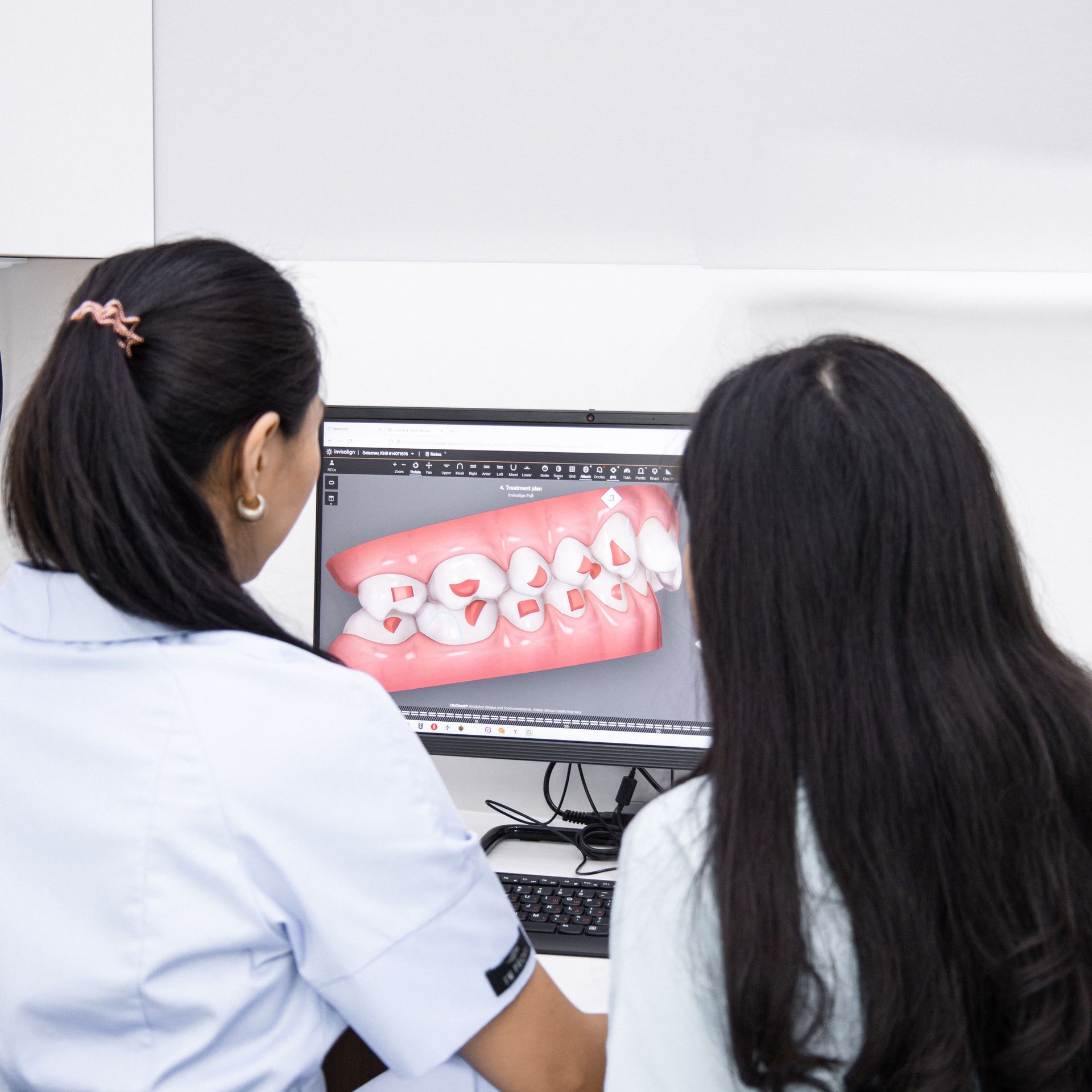
Existing crowns, fillings, and bonding can often be incorporated into a clear aligner treatment plan. However, changes to the shape or condition of a tooth can affect how an aligner fits, so your orthodontic provider needs to account for them during treatment planning.
If you are considering dental work such as a new crown or major restoration, tell your orthodontist before proceeding. In some situations, the timing of restorative and orthodontic treatment may need to be coordinated.
What If You Have Missing Teeth or Dental Implants?
Missing teeth require careful treatment planning because the surrounding teeth and available space may need to be managed as part of your overall orthodontic goals.
Dental implants are different from natural teeth because they are not designed to move through the bone in the same way. If you already have an implant, its position will therefore be considered when your orthodontic treatment is planned.
If you are missing a tooth and are considering an implant, your orthodontist and restorative dentist may need to coordinate the timing of orthodontic treatment and implant placement. In some cases, orthodontic treatment may be used to create or preserve appropriate space before a future restoration.
The best sequence depends on your specific situation, so discuss any existing or planned implants with your orthodontic provider before starting treatment.
What About Wisdom Teeth?
Having wisdom teeth does not automatically mean they need to be removed before clear aligner treatment. The decision to remove them depends on their position, development, oral health, and other individual factors.
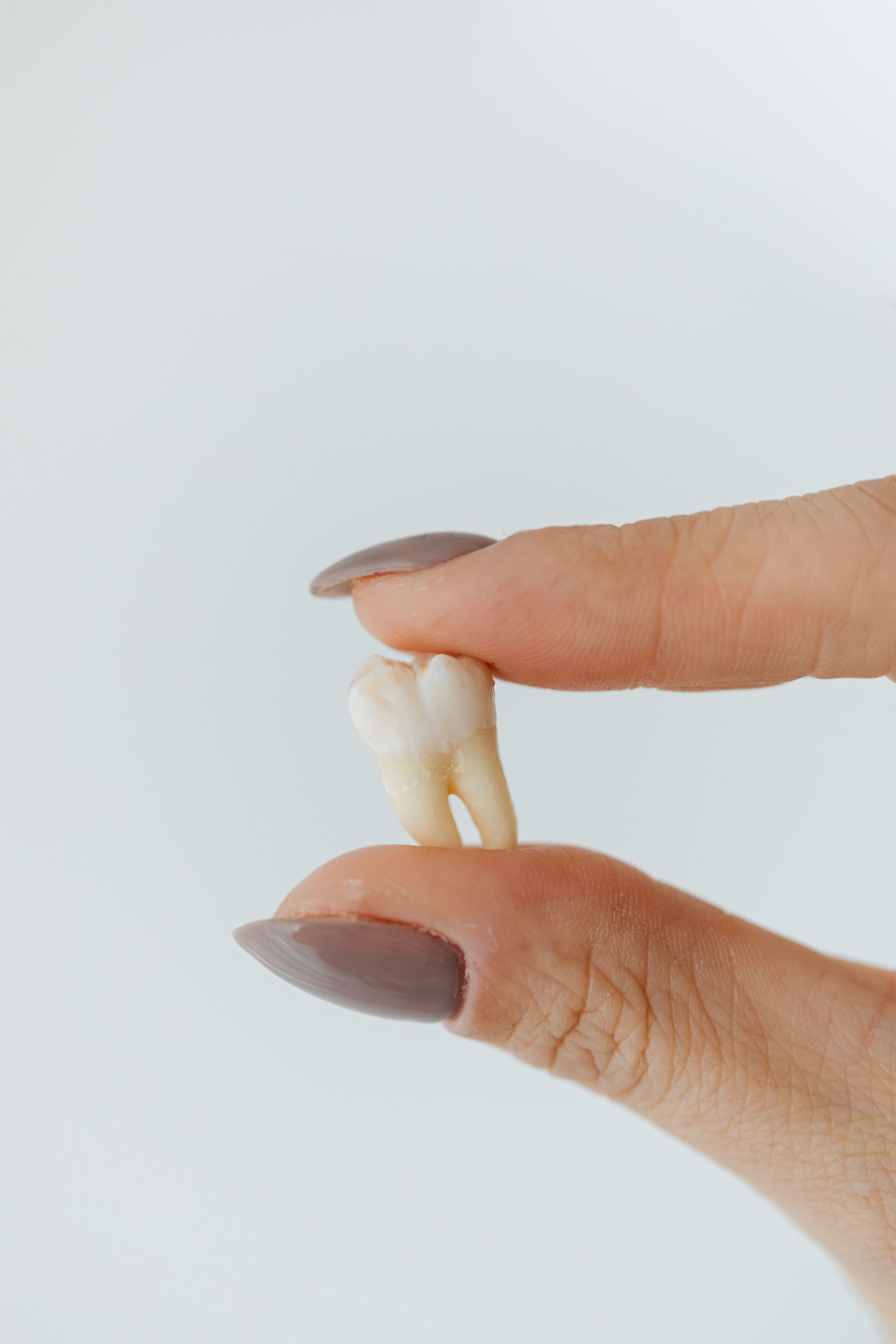

Your orthodontist may evaluate your wisdom teeth as part of your overall dental and orthodontic assessment. If there is a concern that requires attention, your orthodontist can explain whether monitoring, treatment, or consultation with another dental professional is appropriate.
Rather than assuming wisdom teeth must be removed before aligners, it is better to have them evaluated as part of your personalized treatment plan.
How Can You Prepare for Your Clear Aligner Consultation?
There are several simple steps you can take before your consultation. Having an up-to-date dental history can help your orthodontic provider understand previous treatment and any existing dental concerns.
Let your orthodontist know about previous fillings, crowns, root canals, extractions, implants, gum treatment, or other significant dental procedures. If you regularly see a general dentist, information from your recent dental visits may also be useful.
You can also prepare a list of questions about treatment time, expected wear, attachments, refinements, costs, and what will be expected of you during treatment. Knowing what to ask can help you make an informed decision about whether clear aligners are appropriate for you.
What Should You Have Ready Before Starting Treatment?
Once you have decided to begin clear aligner treatment, a few practical preparations can make the transition easier. Your orthodontic team will provide specific instructions, so those should always take priority over general recommendations.


It can be helpful to have a dedicated aligner case and the oral hygiene supplies you normally use. If your orthodontic provider recommends particular cleaning products or accessories, follow those instructions rather than relying on generic cleaning methods.
You may also want to think about your schedule. If you have upcoming travel, major events, sports activities, or other commitments, mention them to your orthodontic team so they can consider the timing as part of your treatment planning.
What Should You Ask Before Starting Clear Aligners?
Your consultation is an opportunity to understand what your treatment will involve. Clear aligner treatment is not identical for every patient, and knowing what is expected can make it easier to stay consistent once treatment begins.
Consider asking:
- Am I a good candidate for clear aligners?
- What are the goals of my treatment?
- Will I need attachments or other orthodontic appliances?
- Will any dental work need to be completed before treatment?
- How long is my estimated treatment time?
- How often will I need appointments?
- What should I do if an aligner is lost or damaged?
- What happens if my teeth do not track as planned?
- Will refinements or additional aligners potentially be needed?
Your orthodontist can answer these questions based on your individual treatment plan rather than giving you a generic timeline or set of expectations.
When Should Dental Work Be Completed?
There is no single timeline that applies to every patient. Some dental concerns may need to be addressed before aligner treatment begins, while others can be managed during treatment or afterward.

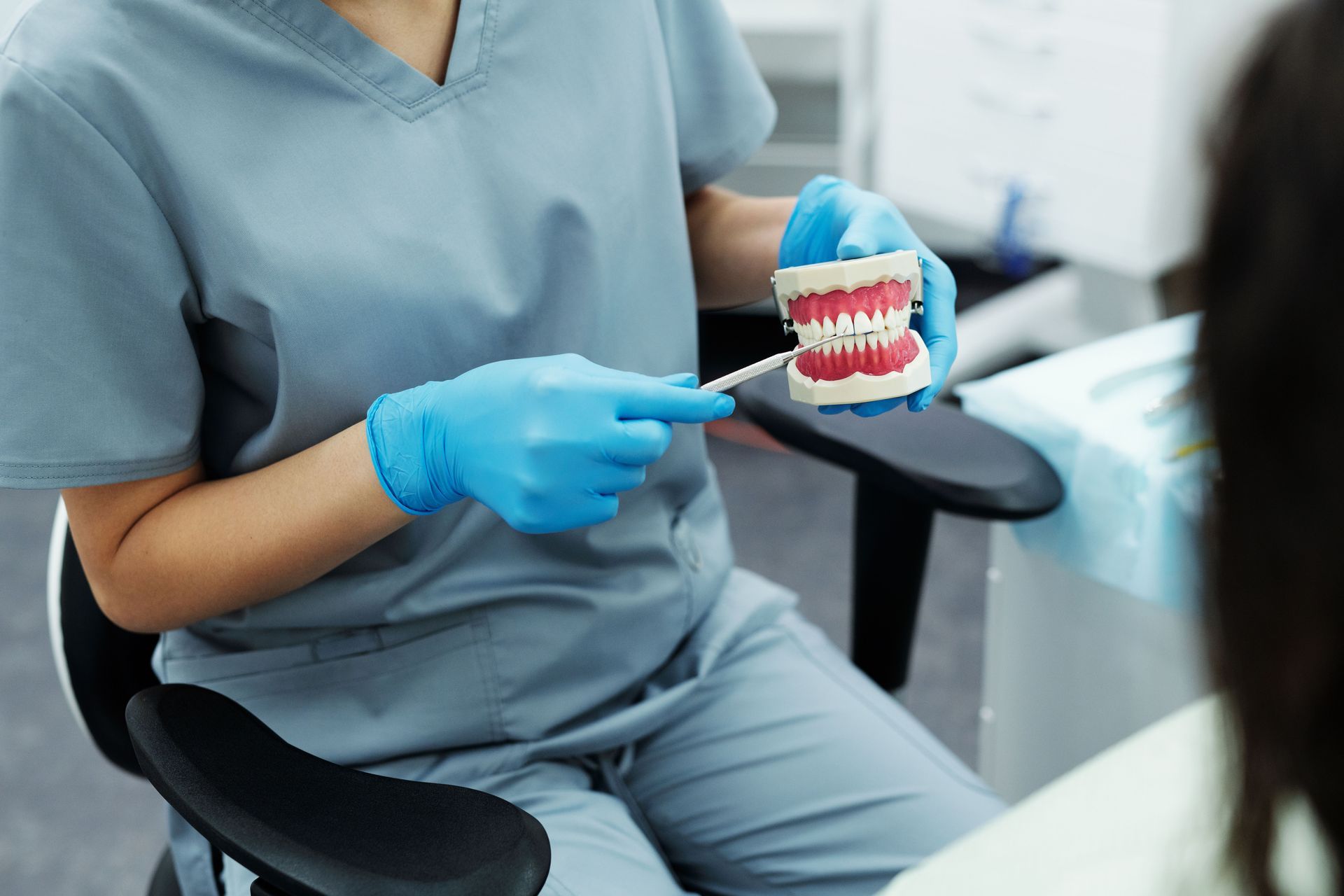
The appropriate timing depends on the type of dental work, the condition of your teeth and gums, and how the treatment may affect your orthodontic plan. Your orthodontist may coordinate with your general dentist or another specialist when necessary.
This is one reason it is helpful to discuss planned dental procedures before starting clear aligners. Coordinating treatment can help avoid unnecessary changes to your aligners or treatment sequence.
Frequently Asked Questions About Preparing for Clear Aligners
Do I need to have perfectly healthy teeth before getting clear aligners?
You do not necessarily need perfect oral health before starting treatment. However, active dental problems may need to be evaluated and treated depending on their severity and how they could affect your orthodontic care.
Can I get clear aligners if I have fillings or crowns?
Many patients with fillings or crowns can be treated with clear aligners. Your orthodontist will evaluate your existing restorations and consider them when planning tooth movement.
Can I get clear aligners if I have dental implants?
Having a dental implant does not automatically prevent clear aligner treatment. Because implants do not move like natural teeth, their position needs to be considered when developing your treatment plan.
Do wisdom teeth have to be removed before clear aligners?
Not necessarily. Wisdom tooth removal depends on factors such as their position, condition, and potential impact on your oral health or treatment plan.
Do I need a dental cleaning before clear aligner treatment?
Your orthodontic provider may recommend addressing oral hygiene or gum health concerns before beginning treatment. Whether you need a professional cleaning beforehand depends on your individual dental needs.
Can I start clear aligners immediately after getting a filling or crown?
The timing can vary depending on the dental procedure and your treatment plan. Your orthodontist and general dentist can determine when it is appropriate to begin or continue aligner treatment.
Start Your Clear Aligner Treatment With a Healthy Foundation
Preparing for clear aligners is about more than getting your first set of trays. A thorough evaluation allows your orthodontic team to understand your teeth, gums, bite, and existing dental work before creating a treatment plan.


Some patients may need dental treatment before beginning clear aligners, while others can start treatment without additional procedures. The important step is having your individual needs evaluated rather than assuming that a particular procedure is required.
If you are considering
clear aligner treatment in Port St. Lucie, Desman Orthodontics can evaluate your smile and discuss whether clear aligners are appropriate for your goals. Schedule a consultation to learn what preparation, if any, may be recommended before beginning treatment.
Share
Related Posts